Categories
PDF

brook ps3 sega pdf

Brook PS3 Sega PDF: An Overview

Devoted Health offers comprehensive plans, savings, and support, empowering individuals to live fulfilling lives with benefits tailored to their needs.

Understanding the Core Request

The central inquiry revolves around utilizing Brook adapters on a PlayStation 3 (PS3) to enable compatibility with classic Sega controllers – specifically those from the Saturn, Genesis, and Dreamcast eras. Users are seeking documentation, often in PDF format, detailing this process. This includes understanding adapter functionality, controller mapping, and potential troubleshooting steps.

Furthermore, the request extends to information regarding emulators on the PS3 capable of running Sega games. A key aspect is locating official Brook adapter manuals and guides. The date indicates current interest as of December 31, 2025, with information sourced from late 2024 and throughout 2025 regarding Devoted Health benefits, though this is contextual and not directly related to the adapter request itself.

The Significance of “Brook” and PS3 Compatibility

Brook Gaming, a recognized manufacturer, produces adapters designed to bridge compatibility gaps between different gaming systems. Their adapters are particularly sought after by retro gaming enthusiasts aiming to use legacy controllers on modern consoles like the PS3. The appeal lies in preserving the authentic gaming experience with preferred controllers.

PS3 compatibility is crucial as it offers a platform for both native game play and emulation. Brook adapters allow users to bypass the limitations of PS3 controller support, opening doors to a wider range of input options. Information regarding Devoted Health plans, while present in recent data (late 2024/2025), doesn’t directly impact the technical aspect of adapter functionality. The core value is recreating classic Sega experiences on the PS3.

Sega Emulation on PS3 – A Historical Context

The PS3, beyond its native game library, became a popular platform for emulation due to its Cell processor and software capabilities. Early efforts focused on emulating Sega’s classic consoles – the Master System, Genesis/Mega Drive, Saturn, and Dreamcast – allowing players to revisit beloved titles. This arose from a desire to preserve gaming history and experience games unavailable on modern systems.

While native PS3 support for older Sega controllers was limited, the rise of adapters like those from Brook facilitated a more authentic experience. Recent information regarding Devoted Health benefits (as of late 2024/early 2025) is unrelated to this historical gaming context. The PS3’s homebrew scene played a vital role, providing emulators and tools for customization, enhancing the emulation experience.

Brook Adapters and PS3 Functionality

Devoted Health provides customer support via Guides available from 8am to 8pm, seven days a week, offering assistance and resources.

What are Brook Wingman Adapters?

Devoted Health plans, like Devoted CHOICE GIVEBACK Georgia (PPO) for 2025, offer a detailed Summary of Benefits outlining costs and coverage. These plans aim to provide real monthly savings with benefits people will actually use. A key feature is access to dedicated Guides, available daily from 8am to 8pm, reachable by text or phone (1-800-DEVOTED).

Guides assist with questions about coverage and benefits, going beyond simple inquiries. Certain plans include yearly allowances for dental and eyewear, adding to the overall value. Devoted Health focuses on a complete package of benefits, support, and savings, designed to enhance members’ lives and provide a positive healthcare experience.

Specific Brook Adapter Models for PS3 (and Sega Controllers)

Devoted Health providers can access essential documents, including OTC Catalogs and Quick Reference Guides, through a dedicated resource portal. These materials support efficient plan administration and member care. The organization emphasizes readily available support, with Guides assisting members seven days a week.

Benefits are designed to help members live their best lives, offering both financial savings and comprehensive coverage. Devoted Health plans are gaining popularity, with thousands choosing them for their complete package of benefits, support, and savings. Access to Guides via text (86685) or phone ensures convenient assistance with plan-related questions and concerns.

Compatibility with Sega Controllers (Saturn, Genesis, Dreamcast)

Devoted Health’s 2025 plans, like Devoted CHOICE GIVEBACK Georgia (PPO), provide a clear overview of benefits and costs for members. Dental and eyewear allowances are included with certain plans, offering yearly funds for related expenses. Guides are available from 8am to 8pm daily to assist members with any questions or concerns regarding their coverage.

The focus is on simplifying healthcare access and maximizing benefits. Devoted Health aims to deliver a complete package of support, savings, and comprehensive benefits. Members can easily connect with Guides via text or phone, ensuring personalized assistance whenever needed. This dedication to service is a core tenet of the Devoted Health approach.

PDF Documentation and Resources

Devoted Health provides healthcare providers with essential documents, including OTC Catalogs and Quick Reference Guides, for streamlined plan management and support.

Locating Official Brook PS3 Adapter Manuals (PDF)

Devoted Health Guides are readily available from 8am to 8pm, seven days a week, offering assistance via text at 86685 or phone at 1-800-DEVOTED (3386833), with TTY support at 711.

Accessing these resources ensures members fully understand their benefits and can navigate the healthcare system effectively. Devoted Health emphasizes clear communication and proactive support. Their dedicated team assists with questions about coverage, benefits, and utilizing plan features. Furthermore, Devoted Health provides a yearly dental and eyewear allowance with select plans, enhancing overall well-being. The focus remains on simplifying healthcare and empowering individuals to live healthier, more fulfilling lives. Detailed plan summaries, like the 2025 Summary of Benefits for Devoted CHOICE GIVEBACK Georgia (PPO), are also available.

Troubleshooting Guides in PDF Format

Devoted Health plans are designed to help members live their best lives, offering real monthly savings through benefits they’ll actually use. Currently, services are available in selected counties across several states including Alabama, Arizona, and Florida.

Healthcare providers can access essential documents like OTC Catalogs and Quick Reference Guides through Devoted Health’s dedicated resource portal. These materials streamline processes and ensure accurate information is readily available. Devoted Health aims to provide a complete package of benefits, savings, and support. Thousands are choosing Devoted Health for its comprehensive approach to healthcare. The organization prioritizes customer service, with Guides available to answer questions and resolve issues promptly, ensuring a positive member experience.

Sega Controller Mapping and Configuration PDFs

Devoted Health provides Medicare Advantage plans with complete benefits designed to help members save monthly. Their customer service team, known as Guides, offers more than just answers to benefit questions; they provide comprehensive support.

Certain Devoted Health plans include a yearly dental and eyewear allowance, offering financial assistance for vision and dental care. Guides are available seven days a week, from 8am to 8pm, via text or phone (1-800-DEVOTED). Devoted Health focuses on a holistic approach, combining benefits, savings, and dedicated support. The organization’s goal is to empower individuals to live the life they want, with accessible and comprehensive healthcare solutions tailored to their specific needs and preferences.

PS3 Emulation and Sega Games

Devoted Health’s healthcare providers can access essential documents like OTC Catalogs and Quick Reference Guides for streamlined plan information access.

Using Emulators on PS3 for Sega Titles

Devoted Health provides Medicare Advantage plans designed to offer monthly savings and comprehensive benefits, focusing on real-world usability for its members. Their Guides, available seven days a week via phone or text (866-85), assist with questions regarding coverage and benefits.

Certain Devoted Health plans include yearly allowances for dental and eyewear expenses, enhancing overall wellness. The company emphasizes a complete package of benefits, support, and savings, aiming to improve the lives of those they serve. Members can access detailed plan overviews, like the 2025 Summary of Benefits for Devoted CHOICE GIVEBACK Georgia (PPO), to understand their coverage fully.

Legal Considerations of Emulation

Devoted Health’s healthcare providers have access to essential documents, including OTC Catalogs and Quick Reference Guides, streamlining plan information. The company serves select counties across multiple states – Alabama, Arizona, Arkansas, Colorado, Florida, and more – continually expanding its reach.

Devoted Health emphasizes customer service, with Guides available from 8am to 8pm daily. Plans like Devoted CHOICE GIVEBACK Georgia (PPO) offer detailed summaries of benefits and costs for the 2025 plan year. The organization focuses on providing a complete healthcare experience, combining benefits, savings, and dedicated support to help members live the lives they desire.

Optimizing PS3 Emulation for Sega Games

Devoted Health plans include valuable benefits like yearly dental and eyewear allowances, offering financial assistance for vision and dental care. Member Service Guides are readily accessible via text (86685) or phone (1-800-DEVOTED), providing support seven days a week.

The company’s commitment extends to simplifying healthcare access, ensuring providers have necessary documentation. Devoted Health aims to deliver a comprehensive package of benefits, savings, and support, enabling members to achieve their desired lifestyle. Currently, Devoted Health operates in a growing number of states, focusing on providing accessible and beneficial healthcare solutions.

Devoted Health and Related Information (Contextual Relevance)

Devoted Health provides Medicare Advantage plans with complete benefits, aiming to save members money monthly, alongside dedicated customer service support teams.

Devoted Health Plans and Benefits Overview

Devoted Health distinguishes itself by offering plans designed to genuinely benefit members, translating into tangible monthly savings. These aren’t just standard Medicare Advantage plans; they’re crafted to be actively used, providing value beyond typical coverage.

Currently, Devoted Health extends its services across several states, including Alabama, Arizona, Arkansas, Colorado, Florida, Georgia, Hawaii, Illinois, Indiana, Kentucky, Mississippi, and Missouri. A key feature is the inclusion of yearly allowances for dental and eyewear, accessible via a dedicated card.

Furthermore, Devoted Health emphasizes readily available support through “Guides” accessible via phone (1-800-DEVOTED) or text (86685), operating seven days a week from 8 am to 8 pm. They aim to provide a complete package of benefits, savings, and support, fostering a better quality of life for their members.

Devoted Health Guides and Customer Support

Devoted Health prioritizes accessible and comprehensive customer support through its dedicated team of “Guides.” These Guides are more than just representatives answering basic questions; they are equipped to assist with a wide range of inquiries regarding benefits, coverage details, and plan specifics.

Members can easily connect with a Guide seven days a week, from 8:00 AM to 8:00 PM, via text message at 86685 or by calling 1-800-DEVOTED (3386833), with TTY access available at 711. This multi-channel approach ensures convenient access to assistance.

The Guides aim to simplify the healthcare experience, offering personalized support and guidance. They are a core component of Devoted Health’s commitment to providing a complete package of benefits, savings, and dedicated assistance to its members, enhancing overall satisfaction.

Dental and Eyewear Allowances with Devoted Health

Devoted Health plans often include a valuable benefit: a yearly allowance specifically designated for dental and eyewear expenses. This allowance is provided via a dedicated card, empowering members to proactively manage their vision and oral health needs.

The amount of the annual allowance varies depending on the specific Devoted Health plan selected. Members can utilize these funds to cover a wide range of services, including routine dental check-ups, cleanings, and eyewear purchases like glasses or contact lenses.

This allowance is designed to reduce out-of-pocket costs and promote preventative care, contributing to overall well-being. It’s a key component of Devoted Health’s commitment to providing comprehensive and accessible healthcare benefits.

Additional Resources

Devoted Health Guides are readily available from 8 AM to 8 PM, seven days a week, via text or phone support.

Online Forums and Communities for PS3 and Sega Fans

Devoted Health prioritizes accessible support, offering benefits designed for real-life use and substantial monthly savings. Their Guides provide comprehensive assistance, extending beyond basic questions to cover coverage details and plan specifics. Members can easily connect with a Guide via text message at 86685 or by calling 1-800-DEVOTED (3386833), with TTY support also available at 711.

Furthermore, Devoted Health plans often include yearly allowances for dental and eyewear, enhancing overall well-being. The company focuses on a complete package of benefits, savings, and dedicated support, aiming to empower individuals to live the lives they desire. Resources like OTC catalogs and quick reference guides are readily available for healthcare providers.

Where to Purchase Brook Adapters

Devoted Health plans, like the Devoted CHOICE GIVEBACK Georgia (PPO) for 2025, provide a detailed Summary of Benefits outlining costs and coverage. The organization emphasizes a holistic approach to healthcare, combining benefits, savings, and dedicated support to improve member experiences. Guides are available seven days a week, from 8am to 8pm, offering assistance via text or phone.

These plans are currently available in select counties across several states including Alabama, Arizona, Arkansas, and Florida. Devoted Health aims to simplify healthcare navigation, offering resources and support to help members maximize their benefits and achieve optimal well-being. Their focus is on providing a complete and user-friendly healthcare solution.

Frequently Asked Questions (FAQ) about Brook Adapters and Sega on PS3

Devoted Health members benefit from access to Guides who can answer questions about coverage and benefits, going beyond simple inquiries. Certain plans include a yearly dental and eyewear allowance, providing financial assistance for vision and dental care. Healthcare providers can access essential documents like OTC Catalogs and Quick Reference Guides through Devoted Health’s dedicated resource portal.

The organization prioritizes customer service, offering support seven days a week. Devoted Health plans are designed to offer real monthly savings and a comprehensive package of benefits. They currently serve selected counties in multiple states, focusing on a complete and supportive healthcare experience for their members.

Categories
PDF

yip yip crochet pattern free pdf

Yip Yip Crochet Pattern Free PDF: A Comprehensive Guide

Dive into the delightful world of Yip Yips! This guide unlocks free PDF patterns, offering instructions to crochet these charming aliens, popularized by a nostalgic public television show.

What are Yip Yips?

Yip Yips are endearing, sack-like alien creatures that recently experienced a massive resurgence in popularity within the crochet community. These distinctive characters, instantly recognizable to those who grew up watching a certain children’s television program, are characterized by their simple, rounded bodies and, most notably, their incredibly wide mouths.

The current “Yip Yip craze” has led to an explosion of handmade versions appearing online, with crocheters enthusiastically recreating these nostalgic figures. They are lovingly described as “wide mouth martian crochet sacks” and are quickly becoming a beloved project for both beginner and experienced crochet enthusiasts. The appeal lies in their simplicity and the joy of bringing a piece of childhood nostalgia to life through yarn and a hook!

The Origin of the Yip Yip Craze

The recent explosion of Yip Yip popularity stems from a wave of nostalgia, specifically relating back to a beloved children’s public television show from the late 20th century. These charming aliens, once a staple of childhood viewing, have experienced a remarkable revival thanks to social media platforms like TikTok and Pinterest.

The initial spark seems to have ignited in late 2023 and early 2024, quickly spreading throughout the crochet community. Crafters began sharing their handmade Yip Yips, prompting others to join the trend. This led to a demand for accessible free patterns, fueling the craze further. The simple design and recognizable form make them an ideal project, contributing to their widespread appeal and the current online frenzy.

Why Crochet Yip Yips?

Crocheting Yip Yips offers a unique blend of nostalgia, creative expression, and accessibility. The simple, sack-like design makes them a fantastic project for both beginner and experienced crocheters. Finding a free PDF pattern removes any financial barrier to entry, encouraging widespread participation in the trend.
Beyond the ease of creation, Yip Yips provide a delightful opportunity for customization. Crafters can experiment with various yarn colors and textures, adding personal touches like hats, scarves, or unique facial expressions. Furthermore, they aren’t just cute; they’re practical! Many are utilizing Yip Yips as charming storage solutions for toys and other small items, blending function with fun.

Finding Free Yip Yip Crochet Patterns

Discover readily available free Yip Yip crochet patterns! Ravelry is a primary source, alongside Pinterest inspiration and potential finds on Etsy.

Ravelry: The Primary Source

Ravelry stands as the go-to platform for accessing the free Yip Yip crochet pattern designed by Carissa Browning. This pattern is conveniently available as a downloadable PDF, specifically catering to crochet enthusiasts. The instructions are clearly presented in English, ensuring accessibility for a wide range of crocheters.
Ravelry’s robust community features allow you to view projects created by others using the pattern, offering inspiration and helpful tips. You can also find discussions and modifications made by fellow crocheters.

Searching “Yip Yips” on Ravelry will directly lead you to the pattern page. It’s a fantastic resource for not only obtaining the pattern but also connecting with other Yip Yip creators and sharing your finished creations. This platform truly embodies the collaborative spirit of the crochet world!

Pinterest Inspiration & Pattern Links

Pinterest serves as a vibrant hub for Yip Yip crochet inspiration! A quick search for “Crochet yip yip free pattern” reveals a wealth of ideas and visual examples of completed projects. While Pinterest doesn’t host the patterns directly, it’s a fantastic source for discovering links to free PDFs and tutorials.

You’ll find numerous images showcasing different yarn colors, textures, and customizations, sparking your creativity. Many pins directly link back to Ravelry, where the primary free pattern by Carissa Browning resides.

Pinterest is excellent for gathering ideas for accessories, poses, and overall aesthetic. It’s a great place to see how others have interpreted the pattern and to get motivated to start your own Yip Yip adventure! Approximately 2,000 people have already searched this topic.

Etsy: Potential for Paid Patterns (and Inspiration)

While numerous free Yip Yip crochet patterns are available, Etsy presents another avenue for exploration. Though the core pattern by Carissa Browning is freely downloadable, Etsy hosts a variety of related items and, occasionally, unique pattern variations created by independent designers.

You might discover paid patterns offering more detailed instructions, different sizes, or elaborate embellishments. Etsy is also a treasure trove of finished Yip Yips for sale, providing inspiration for your own creations. Browsing completed projects can offer valuable insights into color combinations and construction techniques.

Consider Etsy for supporting crochet artists and accessing potentially more complex or specialized Yip Yip designs beyond the basic free pattern.

Essential Crochet Skills for Yip Yips

Successfully crocheting Yip Yips requires fundamental skills! Mastery of basic stitches, understanding abbreviations, and confidently reading crochet patterns are crucial for this project.

Basic Crochet Stitches Used

Creating your own Yip Yip army relies on a few core crochet stitches. The single crochet (sc) is foundational, forming the bulk of the body and features. You’ll frequently encounter the increase (inc) stitch, vital for shaping the Yip Yip’s form from a flat circle to a three-dimensional being.

The decrease (dec) stitch is equally important, allowing you to reduce stitches and close openings, particularly when crafting the head and defining the distinctive mouth. Slip stitches (sl st) are used for joining rounds and creating a seamless finish.

Chain stitches (ch) initiate each round and provide the necessary height for subsequent rows. While more advanced stitches aren’t typically required, a solid grasp of these basics will empower you to confidently follow any free Yip Yip crochet pattern PDF!

Understanding Crochet Abbreviations

Decoding crochet patterns begins with mastering abbreviations! You’ll consistently encounter “sc” for single crochet, the workhorse stitch of most Yip Yip patterns. “inc” signifies increase – typically two single crochet stitches worked into one stitch – crucial for shaping. Conversely, “dec” denotes decrease, reducing stitch count.

“sl st” represents slip stitch, used for joining rounds or finishing off. “ch” stands for chain stitch, the foundation of your work. “st(s)” means stitch(es), and “rnd(s)” indicates round(s). Pay close attention to patterns specifying “[…]” – this denotes a repeated sequence.

Familiarizing yourself with these common abbreviations, found in most free Yip Yip crochet pattern PDFs, will unlock a smoother, more enjoyable crafting experience, allowing you to focus on bringing these adorable aliens to life!

Reading Crochet Patterns: A Beginner’s Guide

Embarking on your Yip Yip crochet journey? Pattern reading is key! Most free PDF patterns begin with a materials list and gauge information – crucial for achieving the correct size. Instructions are typically written row-by-row or round-by-round.

Pay attention to parenthetical notes offering clarification or alternative instructions. Diagrams are incredibly helpful, visually demonstrating stitch placement. Understand that patterns often use abbreviations (see previous section!).

Don’t be afraid to pause and re-read sections. Many Yip Yip crochet pattern PDFs include stitch counts at the end of each row/round – use these to verify your work. Online tutorials can also demystify complex techniques. Practice makes perfect – soon you’ll be confidently crocheting your own Yip Yips!

Materials Needed for Your Yip Yip Project

Gather your supplies! You’ll need yarn, a crochet hook, stuffing for a plump Yip Yip, and safety eyes to bring your creation to life.

Yarn Weight and Color Choices

Selecting the right yarn is key! Most Yip Yip patterns utilize worsted weight yarn, offering a good balance between ease of handling and a satisfying finished product. However, experimentation is encouraged! Consider using different yarn weights to achieve varying sizes – lighter weights for miniature Yip Yips, and bulkier weights for larger, huggable versions.

Color is where you can truly express yourself! While the classic Yip Yip is a vibrant purple, the possibilities are endless. Embrace bright, bold hues, pastel shades, or even variegated yarns for a unique look. Don’t be afraid to mix and match colors for stripes or other creative effects. The internet showcases a rainbow of Yip Yip creations, proving there are no limits!

Texture also plays a role. Smooth cotton yarn provides a clean finish, while fuzzy or textured yarns add a playful touch.

Crochet Hook Size Recommendations

Choosing the correct crochet hook is crucial for achieving the desired Yip Yip shape and density. Generally, a size H/8 (5.0 mm) crochet hook is recommended when working with worsted weight yarn – the most common choice for these projects. However, hook size can be adjusted based on your individual tension.

If your stitches are too loose, resulting in a floppy Yip Yip, try using a smaller hook, such as a G/6 (4.0 mm). Conversely, if your stitches are too tight, making it difficult to insert the hook, opt for a larger hook, like an I/9 (5.5 mm).

Experimentation is key! Creating a gauge swatch – a small sample using your chosen yarn and hook – will help you determine the optimal hook size for your specific project and tension.

Stuffing and Safety Eyes

Bringing your Yip Yip to life requires quality stuffing and secure eyes. Polyester fiberfill is the preferred choice for stuffing, offering a soft and washable interior. Ensure you stuff firmly, especially the head, to maintain the Yip Yip’s distinctive shape, but avoid overstuffing, which can distort the form.

Safety eyes are essential, particularly if creating a Yip Yip for a child. These eyes have locking washers that prevent them from being pulled out, reducing choking hazards. Common sizes range from 6mm to 9mm, depending on the Yip Yip’s overall size.

Alternatively, you can embroider the eyes with yarn for a safer, though less defined, look.

Step-by-Step Crochet Instructions (Based on Common Patterns)

Begin crafting your Yip Yip! Most patterns start with a magic ring, building the body with single crochet stitches, then focus on creating that iconic, wide mouth.

Creating the Body of the Yip Yip

Starting with a magic ring, the Yip Yip’s body typically takes shape using single crochet stitches. Many free patterns instruct crocheters to increase stitches in the initial rounds to form a gently rounded base. Consistent tension is key for a smooth, sack-like form – remember, Yip Yips are known for their simple, somewhat amorphous shape!

As you continue crocheting in rounds, you’ll likely encounter instructions to decrease stitches, gradually narrowing the body towards the top. Pay close attention to stitch counts to maintain the desired shape. Some patterns suggest stuffing the body as you go, ensuring a firm and evenly filled Yip Yip. Don’t overstuff, as this can distort the shape. The body is usually crocheted in a continuous spiral, avoiding joining rounds unless the pattern specifies otherwise.

Choosing your yarn color at this stage sets the tone for your Yip Yip’s personality!

Crocheting the Distinctive Mouth

The Yip Yip’s signature feature is, undoubtedly, its enormous mouth! Most free patterns achieve this using a contrasting yarn color, often a bright red or pink. This is typically created by embroidering a large, oval shape onto the front of the Yip Yip’s body. Simple chain stitches are frequently used to outline the mouth, followed by filling it in with surface crochet or duplicate stitch techniques.

Alternatively, some patterns involve crocheting the mouth separately as a flat piece and then sewing it onto the body. Experiment with different stitch combinations to achieve the desired level of detail and expression. Don’t be afraid to make the mouth extra-wide – the more exaggerated, the better!

Securely fasten the yarn ends to prevent unraveling and ensure a lasting, cheerful grin.

Adding Arms and Legs (Optional)

Many Yip Yip patterns intentionally omit arms and legs, contributing to their sack-like, endearing appearance. However, if you prefer to add them, simple crochet limbs are easily attached! Typically, these are created as small, cylindrical shapes using single crochet stitches.

Arms and legs can be crocheted separately and then sewn onto the body, or worked directly onto the body using increases and decreases to shape them. Consider using the same yarn as the body, or a complementary color for visual interest.

Keep the limbs relatively short and stubby to maintain the Yip Yip’s characteristic proportions. Securely attach them to prevent detachment during play or display.

Variations and Customization

Unleash your creativity! Customize Yip Yips with diverse yarn colors, textures, and accessories like hats or scarves, crafting unique and personalized alien companions.

Different Yarn Colors and Textures

Expanding beyond traditional greens! While classic Yip Yips often sport vibrant green hues, the beauty of crochet lies in its adaptability. Experiment with a rainbow of yarn colors – bright blues, playful purples, or even sunny yellows – to create a truly unique collection. Consider variegated yarns for a speckled, otherworldly effect.

Texture adds personality. Don’t limit yourself to smooth yarns! Bulky yarns create a chunkier, more huggable Yip Yip, while fuzzy or chenille yarns add a soft, tactile dimension. Cotton yarn offers a different drape and feel compared to acrylic. Mixing yarn weights within a single Yip Yip can also create interesting visual contrasts, highlighting the distinctive mouth or body shape. Explore different fiber compositions to achieve the perfect Yip Yip aesthetic!

Adding Accessories (Hats, Scarves, etc.)

Personalize your Yip Yips with charming additions! Elevate your creations beyond the basic form by incorporating delightful accessories. A tiny crocheted hat, perhaps a beanie or a whimsical pointed cap, instantly adds character. Miniature scarves, easily crafted with leftover yarn, provide a cozy touch.

Expand the possibilities. Consider adding small backpacks, holding miniature crochet planets or stars. Tiny glasses or even a little bow tie can give your Yip Yip a unique personality. Experiment with different stitch patterns for the accessories to create texture and visual interest. These small details transform a simple Yip Yip into a cherished, one-of-a-kind collectible!

Creating Different Poses

Bring your Yip Yips to life with dynamic poses! While the standard pattern creates a seated or standing figure, subtle adjustments can unlock a world of expression. Gently bend the arms and legs using craft wire inserted before stuffing, allowing for poseability. Experiment with angling the head to convey curiosity or excitement.

Consider the character. A slightly tilted head and outstretched arms can suggest a welcoming gesture. Bent legs can create a playful, crouching pose. Secure the wire carefully within the stuffing to prevent poking. Remember, small changes make a big difference! These poseable Yip Yips become more than just toys; they’re miniature storytellers.

Yip Yip Storage Solutions

Beyond adorable companions, Yip Yips offer practical storage! Crochet these aliens to organize toys or create themed baskets for a charming, functional décor.

Using Yip Yips as Toy Organizers

Transform playtime chaos into organized fun with crocheted Yip Yips! These aren’t just cute collectibles; they’re surprisingly effective toy organizers. Their unique, sack-like shape lends itself perfectly to holding smaller toys – think building blocks, miniature figures, or even art supplies.

Crochet several Yip Yips in varying sizes to accommodate different toy types. Larger Yip Yips can corral stuffed animals, while smaller ones are ideal for LEGOs or crayons. The wide mouths make it easy for little hands to access and return toys, encouraging independent cleanup.

Consider using durable yarn for increased longevity, especially with frequent use. Yip Yips offer a playful and practical solution, blending seamlessly into a child’s room décor while promoting tidiness!

Decorative Yip Yip Baskets

Elevate your home décor with whimsically crocheted Yip Yip baskets! Beyond toy storage, these charming creations function beautifully as decorative containers throughout your home. Imagine a Yip Yip holding hand towels in the bathroom, or organizing craft supplies in your studio.

Experiment with different yarn colors and textures to match your interior style. A pastel Yip Yip adds a soft touch to a nursery, while bolder colors create a playful vibe in a living room. Vary the size – smaller Yip Yips are perfect for keys or remote controls, larger ones for blankets or magazines.

These baskets are a unique and handmade touch, bringing a nostalgic and cheerful element to any space. They’re a conversation starter and a testament to your crochet skills!

Yip Yip-Themed Room Decor

Transform a room into a Yip Yip wonderland! Beyond baskets, crocheted Yip Yips lend themselves to a multitude of decorative possibilities. Create a mobile featuring several Yip Yips suspended from the ceiling, perfect for a nursery or child’s bedroom.

Consider crafting a Yip Yip garland to adorn a mantelpiece or doorway, adding a playful touch to any celebration. Larger Yip Yips can serve as unique and quirky throw pillows, bringing a nostalgic charm to sofas and armchairs.

Embrace the Yip Yip craze by incorporating them into wall art – perhaps a framed collection or a whimsical Yip Yip-themed banner. Let your creativity flow and build a truly immersive and delightful space!

Categories
Manuals

manual for canon 80d

Canon EOS 80D: A Comprehensive User Manual Guide

Welcome! This guide unlocks the full potential of your Canon EOS 80D‚ a powerful DSLR for both stills and video‚ offering detailed instructions and insights.

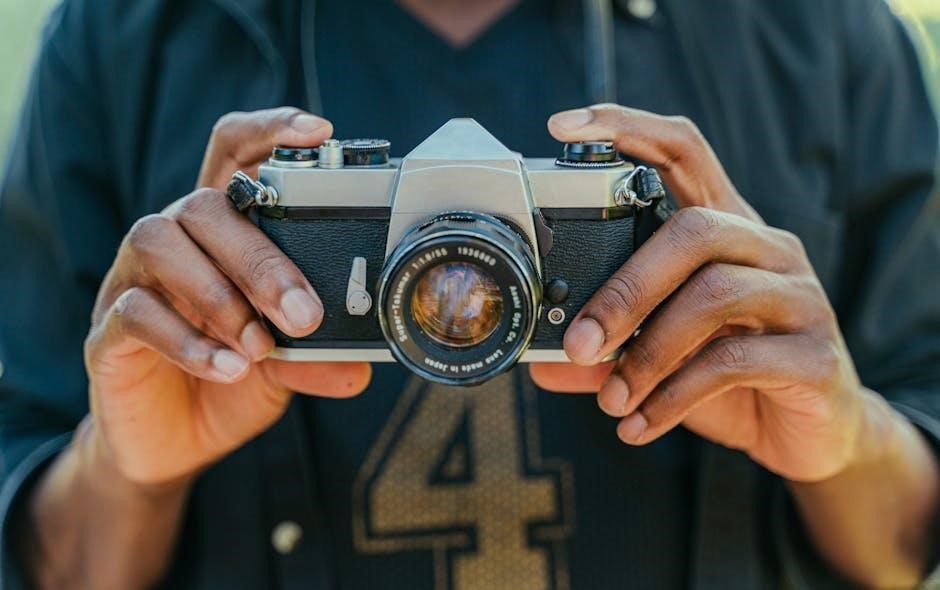
Embark on your photographic journey with the Canon EOS 80D‚ a versatile Digital SLR designed for enthusiasts seeking exceptional image quality and performance. This camera builds upon the legacy of the 70D‚ introducing a refined 24.2MP APS-C CMOS sensor and Canon’s innovative Dual Pixel CMOS AF system.

The 80D excels in both still photography and Full HD video recording‚ offering a responsive and intuitive user experience. This manual will guide you through every aspect of the camera‚ from initial setup and basic operation to advanced features and creative techniques. Prepare to explore a world of photographic possibilities!

Key Features and Specifications

The Canon EOS 80D boasts a compelling array of features. At its core lies a 24.2MP APS-C CMOS sensor‚ delivering detailed and vibrant images. Its Dual Pixel CMOS AF system ensures smooth and accurate autofocus during both stills and video capture. The camera supports Full HD 1080p video recording at up to 60fps.

Further specifications include a 3.0-inch Vari-Angle touchscreen LCD‚ a 45-point all-cross-type AF system‚ and continuous shooting at up to 7fps. Connectivity options encompass Wi-Fi and NFC for easy image sharing and remote control.

Sensor and Image Processor

The Canon EOS 80D’s heart is a 24.2MP APS-C CMOS sensor‚ designed to capture images with exceptional clarity and detail. This sensor size strikes a balance between image quality and camera body size‚ making it ideal for enthusiast photographers. Paired with the DIGIC 6 Image Processor‚ the 80D delivers fast processing speeds and excellent low-light performance.

This combination enables a wide ISO range‚ allowing for shooting in various lighting conditions. The sensor and processor work together to minimize noise and maximize dynamic range‚ resulting in stunning images.

Autofocus System: Dual Pixel CMOS AF

The Canon EOS 80D features Canon’s innovative Dual Pixel CMOS AF system‚ a game-changer for both still photography and video. Unlike traditional autofocus systems‚ Dual Pixel AF utilizes almost all of the image sensor pixels for phase-detection autofocus‚ providing incredibly fast‚ smooth‚ and accurate focusing.

This technology excels in Live View and video recording‚ offering continuous autofocus tracking that rivals dedicated camcorders. With 45 autofocus points‚ including cross-type points‚ the 80D ensures sharp focus across a wide area of the frame.

Video Recording Capabilities (1080p/60fps)

The Canon EOS 80D is a capable video camera‚ recording Full HD 1080p video at up to 60 frames per second. This allows for smooth‚ cinematic footage and excellent slow-motion capabilities. The Dual Pixel CMOS AF system significantly enhances video autofocus performance‚ ensuring sharp and stable recordings even when subjects are moving.

Manual control over exposure‚ audio levels‚ and focus is readily available‚ giving videographers complete creative control. Clean HDMI output enables external recording for higher quality video and extended recording times.

Setting Up Your Canon 80D

Before embarking on your photographic journey with the Canon EOS 80D‚ proper setup is crucial. Begin by fully charging the battery using the provided charger‚ ensuring uninterrupted shooting sessions. Next‚ insert a compatible memory card – SD‚ SDHC‚ or SDXC – and format it within the camera to optimize performance and prevent potential issues.

Finally‚ navigate the initial camera settings‚ selecting your preferred language‚ date‚ and time. Customize button functions and shooting presets to tailor the camera to your individual needs and shooting style.

Battery and Charging

The Canon EOS 80D utilizes a Canon LP-E6N/LP-E6 battery pack. To charge‚ insert the battery into the provided LC-E6N charger and connect it to a power outlet. The charger’s indicator light will illuminate‚ changing from blinking to solid once fully charged – typically taking around 2-3 hours.

Avoid using third-party chargers‚ as they may damage the battery. Always handle the battery with care‚ avoiding extreme temperatures and physical shock. A fully charged battery provides substantial shooting capacity.

Inserting and Formatting Memory Cards

The Canon EOS 80D supports SD‚ SDHC‚ and SDXC memory cards. Locate the memory card slot‚ usually on the side of the camera‚ and insert a card until it clicks into place. Never force the card! Formatting is crucial for optimal performance.

Navigate to the camera’s menu‚ select ‘Format‚’ and choose the card. Formatting erases all data‚ so back up important files beforehand. Use Canon-branded cards for best compatibility and reliability. Regular formatting ensures smooth operation and prevents potential errors.

Initial Camera Settings and Customization

Upon powering on your Canon EOS 80D‚ set the date‚ time‚ and shooting preferences. Configure the image quality – RAW for maximum editing flexibility‚ or JPEG for convenience. Customize the autofocus settings to match your shooting style. Explore the menu to adjust display settings‚ like LCD brightness and information overlay.

Personalize button functions for quick access to frequently used features. Consider setting up custom shooting presets for different scenarios. These initial adjustments tailor the camera to your needs‚ enhancing your photographic experience.

Understanding the Camera Interface

The Canon EOS 80D boasts an intuitive interface designed for efficient operation. The Mode Dial grants access to various shooting modes – Auto‚ Program‚ Aperture Priority‚ Shutter Priority‚ Manual‚ and creative options. The rear panel features a comprehensive button layout‚ controlling settings like ISO‚ white balance‚ and autofocus.

Navigating the Quick Control Screen provides rapid adjustments to key parameters. Familiarizing yourself with these controls is crucial for seamless shooting‚ allowing you to adapt quickly to changing conditions and capture stunning images.

The Mode Dial and Shooting Modes

The Canon 80D’s Mode Dial is central to controlling your shooting experience. ‘Auto’ simplifies operation for beginners‚ while ‘Program’ (P) offers creative control with automatic settings. ‘Aperture Priority’ (Av) lets you set the aperture for depth of field‚ and ‘Shutter Priority’ (Tv) controls motion blur.

‘Manual’ (M) provides full control over both aperture and shutter speed. Scene Intelligent Auto selects optimal settings‚ and custom modes allow personalized setups. Understanding each mode unlocks creative possibilities.

Navigating the Menu System

The Canon 80D’s menu system‚ accessed via the ‘Menu’ button‚ is logically organized into tabs: Shooting‚ Creative‚ Setup‚ and others. Use the directional buttons and SET button to navigate and select options. The Quick Control screen‚ activated by the ‘Q’ button‚ provides fast access to frequently used settings.

Customizing the Quick Control screen streamlines workflow. Explore each menu section to understand available features‚ from image quality to autofocus settings. Remember to save custom functions for personalized control.

Customizing Quick Control Settings

The Quick Control screen on the Canon 80D offers rapid access to essential shooting parameters. Press the ‘Q’ button to display it. Use the rear dial and directional buttons to select and modify settings like aperture‚ shutter speed‚ ISO‚ and autofocus modes.

To customize which settings appear‚ navigate to the menu and select ‘Quick Control Settings’. Rearrange or add/remove options to match your shooting style. This personalization significantly speeds up adjustments in the field‚ enhancing your photographic efficiency.

Mastering Shooting Techniques

Achieving optimal results with your Canon EOS 80D requires understanding core photographic principles. Explore the relationship between aperture‚ shutter speed‚ and ISO – the exposure triangle – to control brightness and depth of field. Experiment with different focusing modes‚ including One-Shot‚ AI Servo‚ and manual focus‚ to capture sharp images.

Learn to utilize back-button focus for enhanced control. Master metering modes (Evaluative‚ Partial‚ Spot) and exposure compensation to accurately capture scenes in varying lighting conditions‚ unlocking your creative vision.

Aperture‚ Shutter Speed‚ and ISO Explained

Aperture controls the lens opening‚ influencing depth of field – a smaller f-number (like f/2.8) creates shallow depth‚ blurring backgrounds‚ while larger numbers (f/16) yield greater sharpness. Shutter speed dictates how long the sensor is exposed to light; faster speeds freeze motion‚ slower speeds allow more light but risk blur.

ISO measures the sensor’s sensitivity to light; lower ISOs (100) produce cleaner images‚ higher ISOs (3200+) are useful in low light but introduce noise. Balancing these three elements is key to proper exposure.

Focusing Modes and Back-Button Focus

The Canon 80D offers various focusing modes. One Shot is ideal for static subjects‚ locking focus when the shutter button is half-pressed. AI Servo continuously tracks moving subjects. AI Focus intelligently switches between the two. Dual Pixel CMOS AF provides smooth‚ accurate autofocus during video recording.

Back-Button Focus separates focusing from the shutter release‚ assigning focus to the AF-ON button. This allows for independent control‚ enabling you to lock focus and recompose shots easily‚ improving workflow.

Metering Modes and Exposure Compensation

The Canon 80D features several metering modes to accurately assess light. Evaluative metering analyzes the entire scene for balanced exposure. Partial metering focuses on a small area‚ useful for backlit subjects. Spot metering measures light from a very small point‚ ideal for precise control. Center-weighted average metering prioritizes the center of the frame.

Exposure compensation adjusts the overall brightness‚ overriding the camera’s automatic settings. Use it to brighten or darken images when the camera’s meter is fooled by challenging lighting conditions.

Advanced Features and Settings

The Canon EOS 80D offers a wealth of advanced settings for creative control. Picture Styles allow you to customize color and tone‚ choosing presets like Standard‚ Portrait‚ Landscape‚ or creating your own. Explore Creative Filters for artistic effects directly in-camera‚ adding unique looks to your photos.

Mastering the built-in flash and utilizing external Speedlites expands your lighting options. Learn about flash exposure compensation‚ high-speed sync‚ and off-camera flash techniques for professional results.

Picture Styles and Color Profiles

Picture Styles are pre-defined sets of image processing parameters that affect color‚ contrast‚ and sharpness. The Canon EOS 80D offers presets like Standard‚ Portrait‚ Landscape‚ Neutral‚ Faithful‚ and Monochrome. Each style delivers a distinct look straight from the camera.

You can customize these styles‚ adjusting sharpness‚ contrast‚ color saturation‚ and tone. Creating User Defined styles allows for personalized image rendering. Understanding color profiles‚ like sRGB and Adobe RGB‚ is crucial for accurate color representation in different workflows.

Creative Filters and Effects

Creative Filters on the Canon EOS 80D offer quick ways to add artistic effects directly in-camera‚ bypassing post-processing. Options include Grain‚ Fish-eye‚ Toy Camera‚ Soft Focus‚ and Monochrome‚ each altering the image’s aesthetic. These filters provide instant visual transformations for unique results.

Experimenting with these effects allows for immediate creative exploration. Remember that applying filters is a destructive process‚ altering the original image data. For non-destructive editing‚ consider applying similar effects in post-processing software for greater control and flexibility.

Using the Built-in Flash and External Speedlites

The Canon EOS 80D features a built-in flash for basic illumination‚ offering modes like Auto‚ Manual‚ and Red-Eye Reduction. For more advanced lighting control‚ explore Canon’s Speedlite range. Speedlites attach to the hot shoe‚ providing greater power‚ bounce capabilities‚ and synchronization options.

Utilize E-TTL (Evaluative Through-The-Lens) metering for automatic flash exposure‚ or switch to manual mode for precise control. High-Speed Sync allows for flash use at faster shutter speeds‚ freezing motion. Mastering flash photography expands creative possibilities significantly.

Video Recording with the Canon 80D

The Canon EOS 80D excels in video‚ capturing Full HD 1080p footage at up to 60fps. Access video settings via the dedicated movie mode on the mode dial. Manual control over aperture‚ shutter speed‚ and ISO is crucial for achieving desired looks. Utilize the articulating touchscreen for easy monitoring and focus adjustments during recording.

Explore features like Movie Servo AF for continuous autofocus. Pay close attention to audio levels; the 80D offers manual audio control and supports external microphones for superior sound quality.

Manual Video Settings and Control

For optimal video quality‚ prioritize manual settings. Control aperture for depth of field‚ shutter speed for motion blur‚ and ISO for sensitivity. Utilize the camera’s exposure compensation to fine-tune brightness. Monitor waveforms and histograms for accurate exposure assessment.

Adjust white balance manually to ensure accurate color representation. Enable manual focus for precise control‚ especially when using shallow depths of field. Experiment with picture styles to achieve desired color profiles. Remember to lock settings to prevent unwanted shifts during recording.

Audio Recording Options and Levels

The Canon 80D offers both built-in microphone and external audio input options. For superior sound‚ connect an external microphone via the 3.5mm input. Carefully monitor audio levels using the camera’s built-in meters‚ aiming for peaks around -12dB to avoid clipping.

Adjust attenuation levels if using powerful microphones. Utilize headphone monitoring to ensure clear audio during recording. Explore manual audio level control for precise adjustments. Disable automatic gain control (AGC) for consistent audio. Consider wind screens to minimize noise.

Focusing During Video Recording

The 80D’s Dual Pixel CMOS AF excels in video‚ providing smooth and accurate autofocus. Utilize continuous autofocus (AF-C) for tracking moving subjects. Tap-to-focus on the touchscreen allows for quick subject selection. For precise control‚ switch to manual focus and use focus peaking to highlight in-focus areas.

Experiment with focus transitions for creative effects. Adjust autofocus tracking sensitivity to match your scene. Remember that shallow depth of field requires careful focus adjustments. Practice smooth focus pulls for professional-looking results.

Connectivity and Transferring Images

The Canon EOS 80D offers versatile connectivity options for seamless image transfer. Built-in Wi-Fi and NFC enable direct connection to smartphones and tablets via the Canon Camera Connect app. This allows for easy image browsing‚ downloading‚ and sharing to social media platforms. Alternatively‚ connect the camera to a computer using a USB cable.

Canon’s EOS Utility software provides advanced features like remote live view control and image organization. Explore these methods for efficient workflow and convenient image management.

Wi-Fi and NFC Connectivity

The Canon EOS 80D simplifies image sharing with integrated Wi-Fi and NFC capabilities. Download the Canon Camera Connect app on your smartphone or tablet to establish a direct wireless connection. NFC allows instant pairing with compatible devices by simply touching them together.

Once connected‚ browse‚ download‚ and share your photos and videos effortlessly. Utilize remote control features within the app for convenient shooting from a distance‚ enhancing your creative possibilities and overall photographic experience.

Connecting to a Computer via USB

Connecting your Canon EOS 80D to a computer via USB facilitates image transfer and camera control. Use the provided USB cable to connect the camera to a USB port on your computer. Ensure your computer recognizes the camera as a storage device‚ allowing you to directly copy files.

Alternatively‚ install Canon’s EOS Utility software for advanced features like remote live view and camera settings adjustments directly from your computer‚ streamlining your workflow and enhancing control.

Using Canon’s EOS Utility Software

Canon’s EOS Utility software unlocks advanced control over your EOS 80D. Download and install it from Canon’s website for seamless integration. This software enables remote live view shooting‚ allowing you to compose and trigger shots directly from your computer.

Furthermore‚ EOS Utility facilitates image browsing‚ downloading‚ and organization. You can also adjust camera settings remotely‚ ensuring precise control over your photography and streamlining your post-processing workflow for optimal results.

Categories
Manuals

stealth cam command pro manual

Stealth Cam Command Pro offers a concealed, unobtrusive method for wildlife observation and security, utilizing advanced technology for detection avoidance.

This system, detailed in the manual, allows for discreet monitoring, employing features like radar-undetectable modes and secretive operation.

A stealth approach to camera placement and data handling ensures minimal disturbance, maximizing observation effectiveness, as outlined in the Command Pro guide.

What is Stealth Cam Command Pro?

Stealth Cam Command Pro represents a significant advancement in remote wildlife monitoring and security systems, as detailed within the comprehensive manual. It’s more than just a trail camera; it’s a fully integrated network designed for discreet observation and data collection.

The system prioritizes a stealth approach, minimizing detection through advanced technology and careful placement. This includes features enabling silent operation and reduced visibility, crucial for observing sensitive wildlife or securing property without alerting potential intruders. The Command Pro hub facilitates seamless connectivity and control, allowing users to manage multiple cameras remotely.

Essentially, it’s a sophisticated tool for those demanding reliable, covert surveillance, offering a blend of cutting-edge features and user-friendly operation, all thoroughly explained in the provided documentation.

Key Features and Benefits

The Stealth Cam Command Pro, as outlined in the manual, boasts several key advantages. Its core benefit lies in its stealth capabilities – minimizing detection through silent operation and optimized concealment. Remote control via a mobile app allows for live viewing, image capture, and settings adjustments without disturbing the environment.

Furthermore, the system offers enhanced data security through encryption, protecting captured images and videos. The hub facilitates long-range connectivity, and the cameras feature high-resolution imaging for clear, detailed footage. Users benefit from extended battery life and customizable alert notifications, ensuring timely awareness of detected activity.

Setting Up Your Stealth Cam Command Pro

Stealth Cam Command Pro setup, detailed in the manual, requires careful placement for optimal stealth and connectivity, ensuring discreet, effective monitoring.

Initial Camera Setup

Refer to your Stealth Cam Command Pro manual for detailed instructions, beginning with battery installation – ensure correct polarity for optimal performance. Next, insert a compatible SD card, formatted correctly, to store captured images and videos. Carefully select a camera location prioritizing concealment and desired field of view, considering terrain advantages for stealth.

Securely mount the camera, verifying stability to prevent movement-triggered false alerts. Power on the camera and navigate the initial setup menu, setting the date, time, and desired image resolution. The manual emphasizes precise configuration for reliable operation and effective, unobtrusive monitoring.

Connecting to the Command Pro Hub

Consult the Stealth Cam Command Pro manual for hub setup; ensure it’s within range of your cameras and a stable Wi-Fi network. Power on the hub and follow the on-screen prompts to connect it to your home network. The manual details pairing each camera individually, utilizing the unique ID found on the camera’s housing.

Successful connection is indicated by a solid blue light on both the hub and the camera. This establishes a secure, encrypted link for remote access and data transfer, enabling stealth monitoring. Verify connectivity through the mobile app before proceeding.

Mobile App Installation and Configuration

Refer to the Stealth Cam Command Pro manual for app download links (iOS & Android). Installation is straightforward; grant necessary permissions for location and notifications. Create an account or log in if you already have one. The manual guides you through adding your Command Pro Hub and paired cameras.

Configure alert preferences – push notifications for motion detection or scheduled checks. Customize settings for image delivery and storage. This stealth monitoring system is now accessible from your smartphone, offering remote control and real-time viewing.

Understanding the Command Pro Interface

The Command Pro manual details a user-friendly interface, offering a dashboard overview, camera management, and alert settings for stealth monitoring.

Navigation is intuitive, providing access to all camera functions and data.

Dashboard Overview

The Stealth Cam Command Pro manual explains that the dashboard serves as your central hub for monitoring all connected cameras. It provides a real-time status of each camera, including battery life, signal strength, and SD card capacity.

Key information, such as recent trigger events and captured images/videos, is prominently displayed for quick review. The interface allows for immediate access to live feeds and camera settings.

Users can customize the dashboard layout to prioritize the information most relevant to their needs, ensuring efficient and effective stealth surveillance management. It’s designed for unobtrusive operation.

Camera Management Section

As detailed in the Stealth Cam Command Pro manual, this section allows complete control over your camera network. You can add new cameras, rename existing ones, and organize them into groups for easier management.

Each camera’s individual settings – including image resolution, trigger speed, and flash mode – are accessible here. The manual emphasizes the importance of configuring these settings for optimal stealth and performance.

Remote firmware updates and diagnostic tools are also available within this section, ensuring your cameras remain secure and function flawlessly.

Alert and Notification Settings

The Stealth Cam Command Pro manual highlights the robust alert system within this section. Customize notifications based on motion detection, date, and time, delivered directly to your mobile device.

Adjust sensitivity levels to minimize false alarms, crucial for maintaining true stealth and avoiding unnecessary alerts. You can also set up specific alert schedules, ensuring you only receive notifications during critical periods.

The manual details options for email and push notifications, allowing you to stay informed about activity in your monitored areas, discreetly and efficiently.

Advanced Camera Settings

Stealth Cam Command Pro’s manual details fine-tuning options for image quality, trigger speed, and flash modes—white, infrared, or no-glow—for optimal stealth.

Image Resolution and Quality

The Stealth Cam Command Pro manual extensively covers image resolution settings, crucial for balancing clarity and storage capacity. Users can select from various resolutions, impacting file size and detail captured.

Higher resolutions, while providing sharper images, demand more SD card space and potentially reduce the number of images stored before overwriting. The manual guides users through understanding the trade-offs.

Quality settings also influence image compression; lower compression yields better quality but larger files. Achieving optimal stealth often involves balancing image fidelity with discreet operation and efficient storage, as detailed within the Command Pro documentation.

Trigger Speed and Recovery Time

The Stealth Cam Command Pro manual dedicates a section to optimizing trigger speed and recovery time, vital for capturing fast-moving wildlife. Trigger speed dictates how quickly the camera activates upon detecting motion, while recovery time is the delay before it’s ready for another capture.

Faster trigger speeds minimize missed shots, but can increase battery consumption. The manual explains adjusting these settings based on anticipated activity and desired stealth level.

Balancing responsiveness with efficient power usage is key, as detailed in the Command Pro guide, ensuring reliable operation without compromising detection capabilities.

Flash Settings (White, Infrared, No Glow)

The Stealth Cam Command Pro manual thoroughly explains the three flash options: White, Infrared, and No Glow, crucial for varying surveillance scenarios. White flash provides maximum illumination and color detail, but compromises stealth. Infrared is nearly invisible to wildlife, ideal for discreet observation, though images are monochrome.

No Glow offers the highest level of concealment, utilizing a low-intensity infrared, minimizing detection risk.

The manual details how to select the optimal flash setting based on environment, target species, and desired level of Command Pro system concealment.

Working with SD Cards

The Stealth Cam Command Pro manual details SD card compatibility, formatting procedures, and efficient management of stored images and videos for optimal performance.

SD Card Compatibility

The Stealth Cam Command Pro manual specifies that your camera supports SD, SDHC, and SDXC card formats, up to a maximum capacity of 512GB. It’s crucial to use a card with a Class 10 or UHS-I rating for reliable performance, especially when recording high-resolution videos.

Faster cards ensure smooth image and video capture, preventing potential delays or interruptions. The manual also cautions against using counterfeit or damaged cards, as they can lead to data corruption or camera malfunction. Regularly check the Command Pro system for compatibility updates.

Formatting SD Cards

The Stealth Cam Command Pro manual strongly recommends formatting your SD card within the camera itself, using the formatting option found in the camera’s settings menu. This ensures optimal compatibility and performance with the camera’s file system. Formatting erases all data on the card, so back up any important files beforehand.

Avoid formatting cards on your computer, as this can sometimes create inconsistencies. The manual details a step-by-step guide for in-camera formatting, guaranteeing a reliable storage solution for your Command Pro images and videos.

Managing Stored Images and Videos

The Stealth Cam Command Pro manual explains several methods for accessing your captured content. You can remove the SD card and insert it into a card reader connected to your computer for direct file transfer. Alternatively, utilize the Command Pro Hub and mobile app to wirelessly download images and videos.

The manual details how to organize, review, and delete files directly from the app. Regularly backing up your media is crucial to prevent data loss, as outlined in the comprehensive guide.

Remote Camera Control

The Stealth Cam Command Pro manual details controlling cameras wirelessly via the mobile app, enabling live views, picture/video capture, and setting adjustments.

Live View Functionality

The Stealth Cam Command Pro manual extensively covers the live view feature, allowing users to remotely monitor their camera’s feed in real-time through the mobile application. This capability provides immediate insight into the camera’s surroundings, enabling quick assessment of activity and conditions.

The manual details how to initiate and maintain a stable live view connection, troubleshooting potential connectivity issues. Users can utilize this function for immediate observation, verifying camera placement, or responding to alerts. It’s a core component for proactive monitoring and ensuring optimal performance, as described within the manual.

Taking Pictures and Videos Remotely

The Stealth Cam Command Pro manual provides detailed instructions on remotely capturing images and videos via the mobile app. Users can trigger the camera to take a still photograph or record a video clip directly from their smartphone or tablet, offering convenient control without disturbing the camera’s location.

The manual explains the various settings available for remote capture, including image resolution and video length. This functionality is crucial for capturing specific events or moments of interest, ensuring timely documentation. It’s a key feature for proactive monitoring and evidence gathering, as outlined in the guide.

Adjusting Camera Settings from the App

The Stealth Cam Command Pro manual details comprehensive remote control of camera settings through the mobile application. Users can modify parameters like flash settings (white, infrared, no glow), trigger speed, and recovery time directly from their smartphone or tablet, enhancing operational flexibility.

The manual emphasizes the ability to adjust image resolution and quality remotely, optimizing for storage or detail. This feature allows for real-time adaptation to changing environmental conditions and monitoring needs, ensuring optimal performance. It’s a core function for customized surveillance, as described in the guide.

Troubleshooting Common Issues

The Stealth Cam Command Pro manual provides solutions for connectivity, image quality, and battery life problems, ensuring optimal performance and reliable operation.

Connectivity Problems

According to the Stealth Cam Command Pro manual, initial connectivity issues often stem from incorrect hub placement or interference from other wireless devices.

Ensure the hub is centrally located and away from potential obstructions. Verify the Wi-Fi password entered into the mobile app is accurate, and confirm the network is stable.

If problems persist, try restarting both the camera and the Command Pro hub. The manual suggests checking for firmware updates, as outdated software can cause communication errors.

Also, confirm Bluetooth is enabled on your mobile device during the initial pairing process. Refer to the troubleshooting section of the manual for detailed steps and diagrams.

Image Quality Issues

The Stealth Cam Command Pro manual details several factors impacting image clarity. First, ensure the camera lens is clean and free of obstructions like leaves or spiderwebs.

Adjusting image resolution within the app settings can significantly improve detail, but remember higher resolutions consume more SD card space. Check flash settings; improper settings can cause washed-out or overly dark images.

The manual recommends experimenting with different flash modes (White, Infrared, No Glow) based on environmental conditions. Verify sufficient ambient light isn’t interfering with infrared capture.

Finally, confirm the SD card isn’t full or corrupted, as this can lead to image degradation or failed recordings, as detailed in the Command Pro guide.

Battery Life Concerns

The Stealth Cam Command Pro manual addresses battery drain, a common user concern. Frequent image captures, especially with high resolutions, consume power rapidly. Reducing the trigger interval—the time between potential recordings—extends battery life.

Utilizing the camera’s test mode, as described in the manual, helps assess battery performance before deployment. Ensure batteries are fresh and of the recommended type; mixing old and new batteries is discouraged.

External power sources, like solar panels, can provide continuous operation. The Command Pro guide details compatible accessories and optimal placement for maximizing efficiency.

Firmware Updates

The Stealth Cam Command Pro manual details update procedures for both the camera and hub, enhancing performance and security. Regular updates are crucial.

Follow the manual’s instructions carefully to avoid operational issues during the firmware update process for optimal functionality.

Checking for Updates

According to the Stealth Cam Command Pro manual, regularly checking for firmware updates is vital for maintaining optimal performance and security. The mobile app provides a straightforward method for verifying update availability.

Navigate to the “Settings” menu within the app, then select “Firmware Update.” The app will automatically connect to the Stealth Cam server and check for the latest versions for both your camera and the Command Pro hub.

If an update is available, a notification will appear, prompting you to begin the download and installation process. The manual emphasizes the importance of a stable internet connection during this process to prevent interruptions and potential errors. Always refer to the manual for detailed instructions.

Updating the Camera Firmware

The Stealth Cam Command Pro manual details a precise procedure for updating camera firmware. Ensure the camera has sufficient battery life – at least 50% – or is connected to an external power source before initiating the update.

Within the mobile app, after confirming an update is available, select “Start Update.” The app will transfer the new firmware to the camera. The manual cautions against interrupting this process.

The camera will automatically reboot once the update is complete. Refer to the manual for troubleshooting steps if the update fails. A successful update enhances performance and security, as outlined in the Command Pro guide.

Updating the Command Pro Hub Firmware

The Stealth Cam Command Pro manual emphasizes the importance of keeping the Hub’s firmware current for optimal system performance and security. Access the firmware update section within the mobile app’s settings menu.

The app will automatically check for available updates. If one is found, select “Download and Install.” The manual advises maintaining a stable internet connection during the entire process.

The Hub will reboot automatically upon completion. Refer to the manual if the update fails or encounters errors. Regular updates, as detailed in the Command Pro guide, ensure compatibility and stability.

Security Features

The Stealth Cam Command Pro manual details data encryption and user account security measures to prevent unauthorized access and maintain privacy.

Employing a secretive approach, the system safeguards against detection, mirroring the core principle of ‘stealth’ technology.

Data Encryption

As detailed in the Stealth Cam Command Pro manual, robust data encryption is a cornerstone of the system’s security architecture. All images and videos captured by the cameras, as well as associated metadata, are encrypted both during transmission to the Command Pro Hub and during storage on SD cards and within the cloud.

This encryption utilizes advanced algorithms, effectively rendering the data unreadable to unauthorized individuals. The manual specifies the encryption standards employed, ensuring users understand the level of protection afforded to their sensitive information. This ‘stealth’ approach to data security minimizes the risk of interception or compromise, safeguarding valuable footage and personal privacy.

User Account Security

The Stealth Cam Command Pro manual emphasizes the importance of strong user account security practices. Users are strongly advised to create unique, complex passwords and enable two-factor authentication (2FA) for an added layer of protection. Account recovery options are clearly outlined, ensuring access isn’t lost.

Regular password updates are recommended, and the manual details how to monitor account activity for any suspicious logins. This ‘stealth’ approach to account management minimizes the risk of unauthorized access, safeguarding personal data and camera control from potential breaches, as detailed within the guide.

Protecting Against Unauthorized Access

The Stealth Cam Command Pro manual details several methods for preventing unauthorized access to your camera system. Regularly updating firmware is crucial, patching vulnerabilities exploited by malicious actors. Physical security of the Command Pro Hub is also paramount; secure its location.

Employing strong Wi-Fi passwords and enabling network encryption further safeguards your system. The manual stresses a ‘stealth’ approach – minimizing public visibility of your network and camera’s presence. These proactive measures, as outlined, significantly reduce the risk of unwanted intrusion and data compromise.

Categories
Manuals

irv technologies radio manual

iRV Technologies Radio Manual: An Overview

This manual details iRV radio systems, encompassing models like the iRV32V2, iRV37, and iRV66.
It provides guidance on installation, operation, and troubleshooting for optimal performance.

Explore features like Bluetooth connectivity, HDMI support, and zone control, enhancing your RV audio experience.
Safety precautions and warranty details are also included for peace of mind.

iRV Technologies specializes in designing and manufacturing high-quality audio solutions specifically tailored for the recreational vehicle (RV) market.
These systems are engineered to withstand the demands of mobile environments while delivering exceptional sound performance.

Our radios integrate modern technologies, including Bluetooth connectivity, USB/SD card support, and HDMI inputs/outputs with ARC & CEC functionality.
Models range from basic AM/FM stereos, like the iRV37, to advanced digital surround sound systems such as the iRV66.

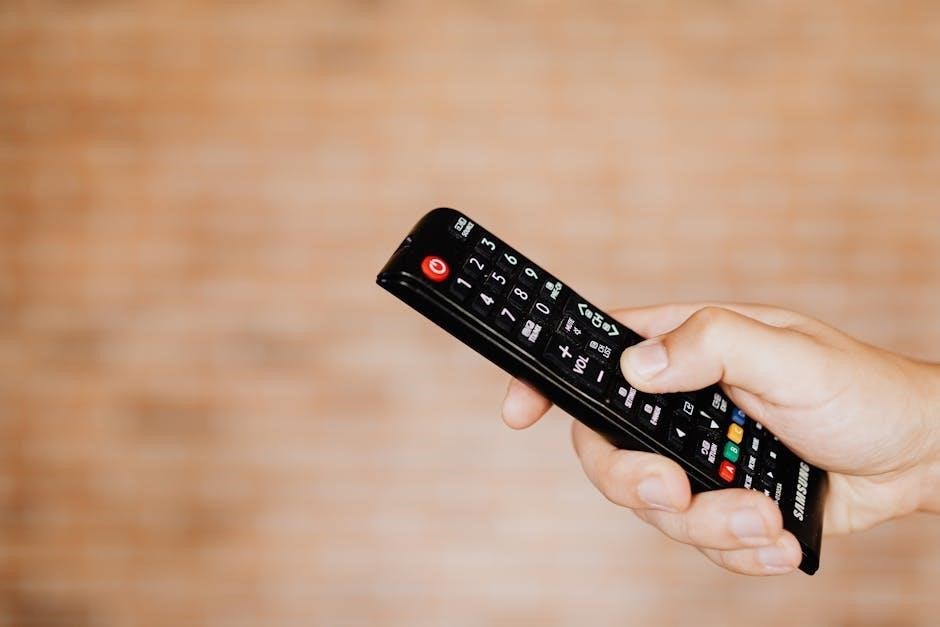
iRV systems prioritize user-friendliness, offering intuitive controls and remote operation via the IRV-R2 or IRV-R4 remote controls.
This manual serves as a comprehensive guide to understanding and maximizing the potential of your iRV radio system.

Target Audience for this Manual

This iRV Radio Manual is designed for a diverse audience, including RV owners, installers, and audio enthusiasts.
It caters to individuals with varying levels of technical expertise, from those new to RV audio systems to experienced installers seeking detailed specifications.

RV owners will find step-by-step instructions for installation, setup, and operation, enabling them to enjoy their iRV radio to its fullest potential;
Professional installers will benefit from the comprehensive technical details and troubleshooting guides.

Ultimately, this manual aims to empower all users to confidently install, operate, and maintain their iRV radio system, ensuring a premium audio experience on the road.

Understanding iRV Radio Models

iRV Technologies offers a range of radio models, including the iRV32V2, iRV37, and iRV66, each designed with unique features and specifications to suit diverse RV audio needs.

iRV32V2: Features and Specifications

The iRV32V2 is a versatile wall mount RV radio stereo, boasting AM/FM/CD/DVD/MP3/MP4/HDMI in and out with ARC, digital 2.1/surround sound, Bluetooth, and NFC capabilities. It supports 3 zones and APP control for customized audio experiences.

Key specifications include AM/FM tuner technology, and overall dimensions of 6W x 4H x 2D. It features a frequency range of 97.7 MHz. The unit comes complete with the radio and a remote control, offering comprehensive entertainment options for your RV adventures.

This model provides extensive connectivity and audio customization options.

iRV37: Mechless Stereo Unit Details

The iRV37 is a mechless RV stereo unit, designed for streamlined audio in your recreational vehicle. It features AM/FM radio and Bluetooth connectivity, providing versatile entertainment options without the bulk of a CD or DVD player. This unit prioritizes simplicity and modern functionality.

It includes a remote control (IRV-R2) for convenient operation. The iRV37 offers a compact design, ideal for space-saving installations. Enjoy wireless music streaming and reliable radio reception on the road.

This stereo delivers a clean and efficient audio solution.

iRV66: Digital Surround Sound System

The iRV66 is a sophisticated digital surround sound system engineered for an immersive audio experience within your RV. It boasts compatibility with CDs, MP3s, MP4s, and DVDs, alongside convenient USB and SD card support. Enjoy a wide range of media options, all controlled from a single, powerful unit.

This system features advanced audio processing, delivering rich, detailed sound. It’s designed to create a captivating listening environment, enhancing your travel enjoyment. The iRV66 is a premium choice for audiophiles on the move.

Experience superior sound quality with the iRV66.

Setting Up Your iRV Radio

Proper installation ensures optimal performance. This section guides you through mounting, power connections, and antenna setup for your iRV radio system.
Follow these steps carefully!

Initial Installation and Mounting

Securely mounting your iRV radio is crucial for both safety and optimal audio performance. Begin by selecting a suitable location within your RV, ensuring adequate ventilation and accessibility. Utilize the provided mounting brackets and hardware, verifying they are compatible with your RV’s interior structure.

Carefully align the radio, ensuring it’s level and stable before tightening the screws. Avoid over-tightening, which could damage the unit or the surrounding surface. Consider the proximity to power sources and antenna connections during placement.
Proper mounting minimizes vibration and ensures long-lasting reliability.

Connecting Power and Ground

Proper power and ground connections are essential for safe and reliable operation of your iRV radio. Before connecting, ensure your RV’s power source is switched off. Identify the positive (+) and negative (-) terminals on both the radio and your RV’s power supply.

Connect the positive wire to the radio’s positive terminal and the negative wire to the ground terminal. Securely fasten all connections to prevent loosening due to vibration. A poor ground can cause noise and interference. Double-check polarity before restoring power to avoid damaging the unit.

Antenna Connection Guide (AM/FM)

Optimal reception relies on correctly connected antennas. Locate the AM and FM antenna inputs on the rear of your iRV radio. For FM, connect the provided coaxial cable securely to both the radio and your RV’s FM antenna. Ensure the connection is snug to minimize signal loss.

For AM reception, connect the AM antenna wire to the designated terminal. AM antennas are typically loop antennas; position it for best signal strength. Regularly inspect antenna connections for corrosion or damage, which can degrade performance.

Remote Control Operation

iRV radios utilize IRV-R2 and IRV-R4 remotes, offering convenient control. These remotes manage power, volume, source selection, and equalizer settings from a distance.

IRV-R2 Remote Control Functions

The IRV-R2 remote provides comprehensive control over your iRV radio system. Key functions include power on/off, volume adjustment, and mute control for immediate audio management. Users can easily select desired sources – AM, FM, Bluetooth, USB, or SD card – with dedicated buttons.

Navigation through playlists and tracks is simplified with forward/rewind and scan controls. The IRV-R2 also allows direct numeric input for precise station tuning. Furthermore, it offers access to equalizer presets, enabling customized sound profiles. This remote is designed for intuitive operation, enhancing the overall user experience within your RV.

IRV-R4 Remote Control Functions

The IRV-R4 remote expands upon the IRV-R2’s capabilities, offering enhanced control over iRV radio systems. Beyond standard functions like power, volume, and source selection, the IRV-R4 introduces zone control access. This allows independent audio adjustments for different areas within your RV.

Advanced features include direct access to surround sound settings and more granular equalizer customization. The remote also supports navigation through extensive media libraries on USB and SD cards. Its ergonomic design and intuitive button layout ensure effortless operation, maximizing convenience and enjoyment of your iRV audio system.

Remote Control Pairing Instructions

Pairing your iRV remote (R2 or R4) ensures seamless control. Begin by ensuring the radio is powered on. Then, press and hold the ‘Setup’ button on the radio until the display indicates pairing mode. Simultaneously, press and hold the ‘Pair’ button on the remote control for approximately five seconds.

A successful pairing is confirmed by a visual cue on the radio display. If pairing fails, repeat the process, ensuring no other Bluetooth devices interfere. Consult the troubleshooting section if issues persist. Proper pairing unlocks the full functionality of your iRV remote.

Audio Input and Output

iRV radios offer versatile connectivity, including Bluetooth, USB, SD card, and HDMI (ARC/CEC) options.
These features enable diverse audio sources for an enhanced listening experience.

Bluetooth Pairing and Connectivity

Establishing a Bluetooth connection with your iRV radio is straightforward. First, ensure Bluetooth is enabled on your smartphone or audio device. Then, on your iRV unit, navigate to the Bluetooth menu – typically found within the audio settings. Initiate the pairing process on both devices.

The iRV radio will scan for available devices. Select your device from the list when it appears. You may be prompted to enter a pairing code (often ‘0000’). Once connected, enjoy wireless audio streaming! Maintaining a stable connection requires proximity and minimal interference. Refer to the troubleshooting section if pairing fails.

USB and SD Card Support

Your iRV radio offers convenient playback options via USB and SD card. Locate the corresponding ports on the unit’s front or rear panel. Insert a USB drive or SD card containing compatible audio files (MP3, WMA, etc.).

The radio will automatically detect the device and display the files. Use the radio’s controls to navigate and select your desired tracks. Supported capacities vary by model; consult the technical specifications. Ensure files are formatted correctly (FAT32 is generally recommended) for optimal compatibility. Eject the devices safely before removal.

HDMI Input/Output (ARC & CEC)

The iRV radio’s HDMI port supports Audio Return Channel (ARC) and Consumer Electronics Control (CEC) for simplified connectivity. ARC allows audio transmission from a compatible TV back to the radio, eliminating separate audio cables. CEC enables control of connected devices, like your TV, using the radio’s remote.

To utilize ARC/CEC, connect an HDMI cable between the radio’s HDMI output and your TV’s ARC-enabled HDMI input. Ensure both devices support ARC/CEC and that the features are enabled in their respective settings menus. Refer to your TV’s manual for specific instructions.

Sound Settings and Customization

Fine-tune your audio experience with iRV radio’s equalizer adjustments, zone control configuration, and customizable surround sound settings.
Personalize the sound to your preferences!

Equalizer Adjustments

The iRV radio systems offer comprehensive equalizer adjustments, allowing users to sculpt the audio output to their precise liking. Access the equalizer through the sound settings menu on the radio or via the remote control. You’ll find pre-set equalizer curves – such as Rock, Pop, Classic, and Jazz – providing instant tonal adjustments.

For more granular control, utilize the manual EQ bands. Typically, iRV radios feature a multi-band equalizer, enabling independent adjustment of frequencies. Experiment with boosting or cutting specific frequencies to enhance clarity, deepen bass, or refine treble. Remember to make small adjustments and listen carefully to the changes.

Save your custom EQ profiles for quick recall, tailoring the sound to different music genres or listening environments.

Zone Control Configuration

iRV radio systems with zone control capabilities allow independent audio playback in different areas of your RV. This feature, available on select models like the iRV32V2, enhances the listening experience for all passengers. Access the zone control settings through the main menu on the radio display.

You can designate specific speaker groups to each zone, such as the living area, bedroom, or exterior speakers. Adjust volume levels and source selection independently for each zone. This ensures everyone enjoys their preferred audio content without disturbing others.

Experiment with different zone configurations to optimize sound distribution and create a personalized audio environment throughout your RV.

Surround Sound Settings

iRV66 models offer immersive surround sound, enhancing your RV entertainment experience. Access these settings via the audio menu on your radio’s display. Several preset modes are available, including ‘Movie’, ‘Music’, and ‘Concert’, each optimized for different content types.

Customize the surround sound experience by adjusting individual speaker levels and the center channel volume. Experiment with the ‘Virtual Surround’ feature to create a wider soundstage. Ensure your speakers are correctly connected for optimal performance.

Proper configuration maximizes the impact of your audio, delivering a truly cinematic sound within your RV.

Troubleshooting Common Issues

This section addresses frequent problems like no power, sound distortion, and Bluetooth failures.
Follow the step-by-step guides to diagnose and resolve these issues efficiently.

Ensure proper connections and settings before seeking professional assistance for complex problems.

No Power Troubleshooting

If your iRV radio displays no power, begin by verifying the power and ground connections. Ensure the red wire is securely connected to a 12V+ source and the black wire to a clean ground.
Check the fuse located on the back of the unit or inline on the power wire – replace if blown with the correct amperage fuse.

Confirm the RV’s main power switch is on and that the radio’s power switch is also engaged.
Use a multimeter to test voltage at the radio’s power connector. If voltage is present, the unit may require professional service. Do not attempt self-repair if unfamiliar with electrical systems.

Sound Distortion Problems

If experiencing sound distortion with your iRV radio, first check the speaker connections. Ensure wires are securely attached and free from corrosion. Verify speaker impedance matches the radio’s specifications – mismatched impedance can cause distortion. Adjust the equalizer settings; excessive boost in certain frequencies can lead to clipping.

Lower the volume to see if distortion diminishes. Test with different audio sources (Bluetooth, USB, FM) to isolate the issue. If distortion persists, a speaker may be damaged or the radio itself may require professional evaluation and repair.

Bluetooth Connection Failures

Experiencing Bluetooth connection issues? First, ensure Bluetooth is enabled on both your iRV radio and the source device. Verify the devices are within range – typically within 30 feet. Remove any previously paired devices from the radio’s Bluetooth memory, then attempt to re-pair. Confirm your device is discoverable in its Bluetooth settings.

Restart both the radio and your source device. Interference from other wireless devices can sometimes disrupt the connection. If problems persist, check for radio firmware updates, as these often include Bluetooth connectivity improvements.

Safety Precautions

Prioritize safety during installation and use. Avoid opening the unit yourself to prevent electrical shock; contact a professional for service. Secure mounting is crucial to prevent damage.

Electrical Safety Guidelines

Always disconnect the power source before performing any wiring or maintenance on your iRV radio system. Ensure proper grounding to prevent electrical hazards and interference. Inspect all wiring for damage before connecting power, replacing frayed or damaged wires immediately.

Avoid exposing the unit to moisture or liquids, as this can cause short circuits and pose a safety risk. Do not attempt to repair the unit yourself if you are not qualified; contact a professional technician for assistance. Use appropriately sized fuses as specified in the technical specifications to protect the system from overcurrent.

Never operate the radio with a damaged power cord or plug. Follow all local electrical codes and regulations during installation. Be cautious of potential pinch points when routing wires to avoid damage and maintain safety.

Preventing Damage to the Unit

Protect your iRV radio from extreme temperatures and direct sunlight, which can damage internal components. Securely mount the unit to prevent vibrations during travel, minimizing potential internal disconnections. Avoid placing heavy objects on top of the radio, as this could cause physical damage to the casing or controls.

Keep the unit clean and dust-free using a soft, dry cloth; avoid harsh chemicals or abrasive cleaners. Handle the remote control with care, avoiding drops or exposure to liquids. Do not attempt to disassemble the unit beyond what is outlined in this manual, as this will void the warranty.

Ensure adequate ventilation around the unit to prevent overheating. Properly store the unit when not in use, protecting it from dust and physical impact.

Professional Service Recommendations

For complex repairs or issues beyond basic troubleshooting, iRV Technologies recommends seeking assistance from a qualified RV audio technician. Attempting advanced repairs yourself may void your warranty and potentially cause further damage to the unit. Locate a certified technician experienced with automotive or RV electronics for optimal service.

Ensure the technician is familiar with iRV radio systems for accurate diagnosis and repair. Always request a detailed estimate before authorizing any work. Keep records of all service performed, including dates, descriptions, and costs.

Do not attempt internal repairs if you are uncomfortable or lack the necessary expertise.

Technical Specifications

iRV radios utilize AM/FM tuner technology, with frequency ranges varying by model; Dimensions are typically 6W x 4H x 2D, and detailed specs are available online.

Tuner Technology Details (AM/FM)

iRV Technologies radios incorporate high-sensitivity AM/FM tuners designed for reliable reception while traveling. The AM band covers the standard 530 kHz to 1710 kHz range, offering access to talk radio and news stations. The FM tuner operates within 87.5 MHz to 107.9 MHz, delivering high-fidelity music broadcasts.

These tuners employ advanced filtering techniques to minimize interference and improve signal clarity, even in challenging reception areas. Digital signal processing (DSP) enhances weak signals, ensuring consistent audio quality. Automatic frequency control (AFC) maintains accurate tuning, preventing drift due to temperature or vibration. RDS (Radio Data System) support, where available, displays station information like call letters and song titles.

Overall Dimensions and Weight

iRV radio units are designed for versatile installation within various RV configurations. The iRV37, a popular mechless stereo, measures approximately 6 inches (Width) x 4 inches (Height) x 2 inches (Depth). This compact size allows for placement in tight spaces, maximizing cabin room.

Weight varies slightly by model, but the iRV37 typically weighs around 2 pounds. Precise dimensions and weight specifications are crucial for ensuring proper mounting and structural support. Refer to the individual product documentation for detailed measurements. Proper installation prevents vibration and ensures long-term reliability.

Frequency Range Specifications

iRV radio tuners cover standard AM and FM broadcast bands, ensuring reception of local stations during your travels. The FM tuner operates within the frequency range of 87.5 MHz to 107.9 MHz, providing access to a wide selection of FM stations. AM reception spans from 530 kHz to 1710 kHz, allowing for clear reception of AM broadcasts.

These ranges are compliant with regional broadcasting standards. Optimal reception depends on antenna quality and location. Signal strength can vary based on proximity to transmitters and environmental factors. Refer to the antenna connection guide for maximizing signal clarity.

iRV Radio Accessories

Enhance your iRV experience with available accessories like replacement remote controls (IRV-R2, IRV-R4), compatible speakers, and optional mounting brackets for secure installation.

Available Remote Control Replacements

Lost or damaged your iRV remote? iRV Technologies offers convenient replacement options to restore full control of your radio system. The IRV-R2 Wireless Remote Control is a direct substitute for many older iRV models, providing standard functionality for volume, tuning, and source selection.

For newer systems, the IRV-R4 Wireless Remote Control offers enhanced features and compatibility. IRV2.5WS is also available. Ensure compatibility by checking your radio model number before ordering. Replacements can be purchased directly through iRV Technologies or authorized retailers, guaranteeing genuine quality and performance.

Proper pairing may be required upon receiving your new remote.

Speaker Compatibility

iRV radios are designed for versatility, accommodating a wide range of speaker configurations. While iRV Technologies offers compatible speakers – such as the RV Speaker Interior & Exterior Black 5.5 – our systems aren’t limited to a specific brand.

Generally, 4-ohm or 8-ohm speakers are suitable, but always verify your radio’s specifications. Consider speaker power handling (watts) to match your radio’s output for optimal sound quality and to prevent damage. External speakers can significantly enhance your RV’s audio experience, providing immersive sound both inside and outside the vehicle.

Proper impedance matching is crucial.

Optional Mounting Brackets

iRV Technologies offers a selection of optional mounting brackets designed to simplify and secure the installation of your radio within your RV. These brackets cater to various RV interior configurations, ensuring a flush and stable fit.

Brackets are constructed from durable materials, providing long-lasting support and minimizing vibration during travel. Consider the available space and desired viewing angle when selecting a bracket. Proper mounting is essential for both safety and optimal audio performance.

Check iRV Technologies’ website for current bracket availability and compatibility charts.

Warranty Information

iRV Technologies provides warranty coverage against manufacturing defects.
Detailed claim procedures and contact information for support are outlined within this manual for assistance.

Warranty Coverage Details

iRV Technologies warranties its radio products against defects in materials and workmanship for a period of one year from the date of original purchase. This warranty covers components that fail during normal use, as determined by iRV Technologies. It does not cover damage resulting from misuse, accident, alteration, unauthorized repair, or environmental factors.

Specifically excluded are issues stemming from improper installation, power surges, or neglect. To qualify for warranty service, proof of purchase is required. iRV Technologies reserves the right to repair or replace the defective product at its discretion. This warranty is non-transferable and applies only to the original purchaser.

Claim Procedures

To initiate a warranty claim, contact iRV Technologies Support via phone or email, providing your original proof of purchase, model number, and a detailed description of the issue. A Return Merchandise Authorization (RMA) number will be issued if the claim is deemed eligible.

Ship the product, securely packaged, to the address provided with the RMA number clearly marked on the outside of the package. iRV Technologies is not responsible for damage incurred during shipping. Upon receipt, the product will be inspected, and a resolution will be determined.

Contacting iRV Technologies Support

For assistance with your iRV radio, reach out to our dedicated support team. We are available via phone during business hours, Monday through Friday, at [Insert Phone Number Here]. Alternatively, you can email us at [Insert Email Address Here] for prompt assistance.

Please have your model number and proof of purchase readily available when contacting support. Our knowledgeable representatives are equipped to address technical inquiries, warranty claims, and general product information. Visit our website at [Insert Website Address Here] for FAQs and additional resources.