Omron 10 Series Blood Pressure Monitor Manual: A Comprehensive Guide
This manual details the Omron 10 Series BP7450‚ a wireless blood pressure monitor designed for accurate home health monitoring and doctor recommendations․
The Omron 10 Series represents a significant advancement in home blood pressure monitoring technology․ Designed with portability and ease of use in mind‚ these monitors empower individuals to proactively manage their cardiovascular health․ As a leading innovator‚ Omron consistently delivers products meeting rigorous clinical standards․
The series‚ including the popular BP7450 model‚ is consistently recommended by both doctors and pharmacists as the number one brand for reliable home monitoring․ Omron’s dedication extends beyond simple measurement; it’s about providing efficient‚ accurate tools for preventing heart disease and strokes‚ ultimately improving overall well-being․
What is the Omron 10 Series BP7450?
The Omron 10 Series BP7450 is a wireless‚ automated blood pressure monitor designed for accurate and convenient home use․ This medical device precisely measures arterial pressure‚ offering a vital tool for individuals managing their cardiovascular health․ It comes complete with four AA batteries and a detailed instruction manual for easy setup and operation․
As a “smart” monitor‚ the BP7450 facilitates seamless data tracking and analysis․ It’s engineered for clinical accuracy‚ earning recommendations from healthcare professionals․ This model embodies Omron’s commitment to providing reliable‚ user-friendly solutions for proactive health management․
Key Features and Benefits
The Omron 10 Series BP7450 boasts several key features‚ including wireless connectivity and the advanced ComFit cuff technology for enhanced comfort and accuracy․ Its portability allows for convenient monitoring anywhere‚ supporting preventative healthcare against heart disease and stroke․
Benefits include doctor-recommended reliability‚ easy-to-use operation‚ and seamless integration with the Omron Connect app for data synchronization and trend analysis․ This monitor empowers users to actively manage their blood pressure and share insights with their healthcare providers‚ promoting better health outcomes․
Understanding Blood Pressure Monitoring
Blood pressure monitoring measures the force of blood against artery walls‚ expressed as systolic (when the heart beats) and diastolic (between beats) readings․ Maintaining healthy blood pressure is crucial for preventing cardiovascular diseases like heart attacks and strokes․
Regular monitoring helps identify potential issues early‚ allowing for timely intervention and lifestyle adjustments․ The Omron 10 Series provides accurate readings‚ enabling informed decisions about your health․ Understanding your numbers empowers you to collaborate effectively with your doctor for optimal cardiovascular wellness․
Why Home Blood Pressure Monitoring is Important
Home blood pressure monitoring is essential for proactive heart health management‚ preventing serious conditions like heart disease and stroke․ Clinic readings can sometimes be elevated due to “white coat hypertension‚” offering an inaccurate representation․
Regular home monitoring provides a more comprehensive picture of your blood pressure patterns throughout the day․ The Omron 10 Series facilitates convenient and consistent tracking‚ empowering you to share valuable data with your healthcare provider for personalized treatment and improved health outcomes․
Clinical Accuracy and Doctor Recommendation
Omron is a global leader dedicated to providing efficient and accurate blood pressure monitors that consistently meet rigorous clinical research standards․ The Omron 10 Series BP7450 is specifically engineered for precision‚ delivering reliable results you can trust․
Notably‚ Omron is consistently the #1 doctor and pharmacist recommended brand for home blood pressure monitoring․ This endorsement reflects the brand’s commitment to quality and its proven track record in providing healthcare professionals and patients with dependable devices for effective blood pressure management․
Device Components and Setup
The Omron 10 Series BP7450 package includes the wireless blood pressure monitor itself‚ a ComFit cuff‚ four AA batteries‚ and a detailed instruction manual․ Initial setup is straightforward‚ beginning with battery installation into the designated compartment․
Following battery insertion‚ the ComFit cuff needs to be properly attached to the monitor․ Ensure a secure connection for accurate readings․ The device is designed for ease of use‚ allowing for quick and simple setup so you can begin monitoring your blood pressure effectively and conveniently at home․
Package Contents: What’s Included
Upon opening your Omron 10 Series BP7450‚ you’ll find several essential components․ These include the advanced wireless blood pressure monitor unit itself‚ designed for accurate and convenient home use․ A key inclusion is the innovative ComFit cuff‚ engineered for comfortable and precise measurements;
To power the device‚ four AA batteries are provided‚ allowing for immediate operation․ Finally‚ a comprehensive instruction manual is included‚ guiding you through setup‚ operation‚ and troubleshooting․ These components ensure a complete and user-friendly experience from the moment you unbox your new monitor․
Installing Batteries
To begin using your Omron 10 Series BP7450‚ proper battery installation is crucial․ Locate the battery compartment‚ typically found on the back or bottom of the monitor unit․ Open the compartment cover‚ usually by sliding or pressing a release button․
Insert four AA batteries‚ ensuring correct polarity as indicated by the + and – markings inside the compartment․ Align the battery ends with these symbols for proper connection․ Close the compartment cover securely until it clicks‚ guaranteeing a stable power supply for accurate readings․
Attaching the ComFit Cuff
The Omron 10 Series utilizes the ComFit cuff‚ designed for comfortable and accurate measurements․ Gently slide the cuff onto your upper arm‚ ensuring the artery mark (usually an arrow) aligns with your brachial artery․ The cuff should fit snugly‚ but not too tightly – approximately one finger’s width should fit under the cuff’s edge․
Secure the cuff using the provided hook and loop fastener․ Ensure the cuff is positioned correctly‚ about one inch above your elbow․ Proper cuff attachment is vital for reliable blood pressure readings․
Taking Accurate Measurements
To ensure reliable readings with your Omron 10 Series‚ sit quietly for five minutes with your feet flat on the floor and your back supported․ Avoid caffeine‚ exercise‚ and smoking for at least 30 minutes beforehand․ Position the ComFit cuff correctly on your upper arm‚ aligning the artery marker․
Press the start button and remain still and silent during the measurement․ Avoid talking or moving․ The monitor will automatically inflate and deflate the cuff‚ displaying your results․ Record your readings for tracking and sharing with your healthcare provider․
Proper Positioning and Technique
Achieving accurate blood pressure readings requires correct positioning․ Sit upright in a chair with back support‚ feet flat on the floor‚ and legs uncrossed․ Ensure your arm is supported at heart level․ The ComFit cuff should be placed directly on bare skin‚ not over clothing․
Position the cuff so the artery marker aligns with your brachial artery․ Avoid talking or moving during measurement․ Relax your arm and ensure it’s not tense․ Consistent technique is crucial for reliable results and effective monitoring of your cardiovascular health․
Understanding Measurement Results
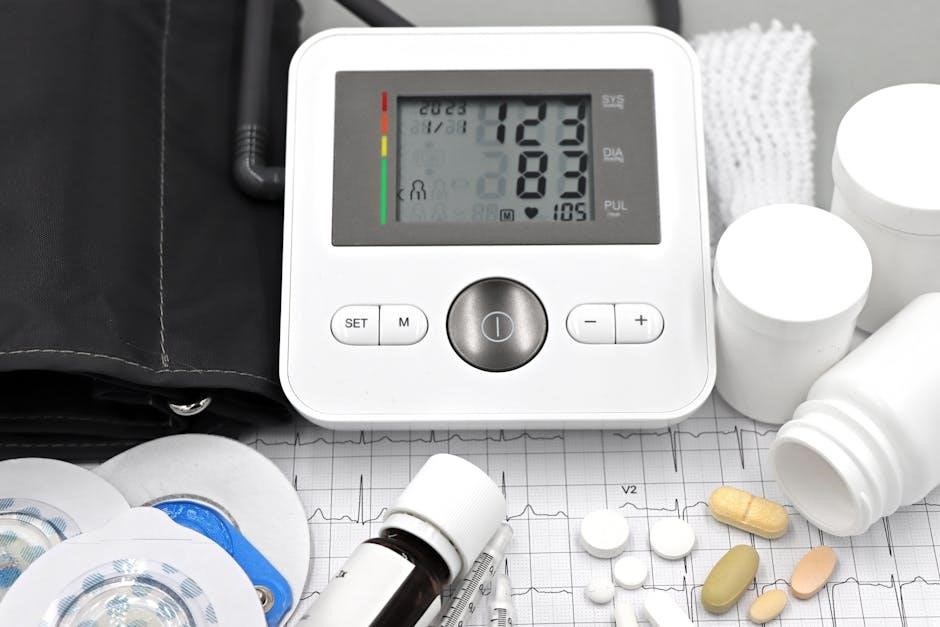
The Omron 10 Series displays systolic (top number) and diastolic (bottom number) blood pressure‚ along with your pulse rate․ Systolic pressure reflects the force when your heart beats‚ while diastolic represents pressure between beats․ Regularly tracking these values helps identify trends․
Compare your readings to established blood pressure categories․ Share results with your healthcare provider for proper interpretation and management․ Consistent monitoring aids in preventing heart disease and strokes‚ aligning with OMRON’s commitment to accurate‚ doctor-recommended health solutions․
Troubleshooting Common Errors
If an error symbol appears on the Omron 10 Series display‚ consult the manual for specific meanings․ Common issues include cuff detachment‚ movement during measurement‚ or weak battery signals․ Ensure the ComFit cuff is securely attached and you remain still during readings․
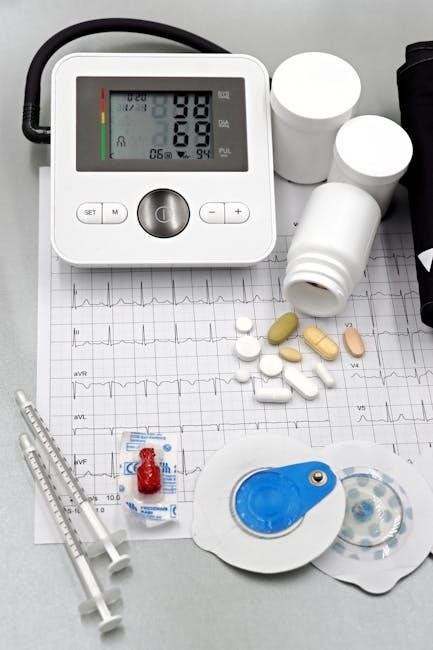
Replace batteries if the low battery indicator appears․ If errors persist‚ review proper positioning and technique․ OMRON prioritizes accurate results; consistent errors warrant contacting customer support for assistance‚ ensuring reliable home health monitoring․
Omron Connect App Integration
The Omron Connect app seamlessly synchronizes data from your Omron 10 Series monitor via Bluetooth‚ enabling comprehensive tracking of blood pressure readings over time․ This allows for easy visualization of trends and patterns‚ aiding in better health management․
Share data directly with your healthcare provider for informed discussions and personalized care․ The app is compatible with iOS devices (OS 10+)‚ offering a user-friendly interface for monitoring and understanding your cardiovascular health․
Compatibility with iOS Devices (OS 10+)
The Omron 10 Series blood pressure monitor offers seamless connectivity with a wide range of iOS devices․ Specifically‚ it is fully compatible with all iOS devices running operating system version 10 and higher․ This ensures a broad user base can benefit from the Omron Connect app’s features․
Users can easily synchronize their blood pressure data wirelessly via Bluetooth‚ allowing for convenient tracking and sharing with healthcare professionals․ Regular app updates maintain optimal performance and compatibility․
Data Synchronization and Tracking
Data synchronization with the Omron Connect app is a key feature of the 10 Series․ Utilizing Bluetooth technology‚ measurements are automatically transferred to your compatible iOS device (OS 10+)․ This allows for effortless tracking of blood pressure readings over time‚ creating a comprehensive health record․
The app stores historical data‚ enabling users to monitor trends and identify potential health concerns․ Secure cloud storage options are available‚ ensuring data safety and accessibility․ Consistent tracking supports proactive health management․
Analyzing Trends and Sharing with Healthcare Providers
The Omron Connect app facilitates insightful analysis of your blood pressure data․ Visual charts and graphs display trends over days‚ weeks‚ or months‚ aiding in identifying patterns and potential irregularities․ This empowers users to understand their cardiovascular health better․
Furthermore‚ the app allows for easy sharing of data with your healthcare provider․ Reports can be generated and securely emailed‚ fostering collaborative care and informed medical decisions․ Proactive data sharing enhances treatment effectiveness and overall health outcomes․
Cuff Size and Selection
Accurate blood pressure readings heavily rely on using the correct cuff size․ The Omron 10 Series utilizes ComFit technology‚ designed for comfortable and precise measurement․ Incorrect cuff size – too small or too large – can lead to inaccurate results‚ potentially misrepresenting your health status․
Determining the appropriate size requires measuring your arm circumference․ Omron provides guidelines to match your measurement with the corresponding cuff size․ Selecting the right cuff ensures optimal contact and reliable readings‚ contributing to effective blood pressure management․
Determining the Correct Cuff Size
To ensure accurate readings with your Omron 10 Series monitor‚ measure your arm circumference midway between your elbow and shoulder․ Use a flexible measuring tape‚ keeping it parallel to the floor․ Omron generally recommends a standard cuff (22-32 cm / 8․7-12․6 inches) for most users․
If your measurement falls outside this range‚ a larger or smaller cuff is necessary․ Using an incorrect size can significantly affect blood pressure accuracy․ Consult the manual’s size chart or Omron’s website for specific recommendations based on your arm’s dimensions․
ComFit Cuff Technology Explained
Omron’s ComFit cuff is designed for enhanced comfort and accuracy during blood pressure measurement․ Unlike traditional cuffs‚ the ComFit features a pre-shaped design that conforms more naturally to the shape of your arm‚ reducing constriction and promoting better blood flow․
This innovative technology minimizes measurement error caused by improper cuff fit․ The ComFit cuff aims to provide a more consistent and reliable reading experience‚ contributing to more effective home blood pressure monitoring and improved health management․
Maintenance and Care
To ensure the longevity and accuracy of your Omron 10 Series monitor‚ regular maintenance is crucial․ Gently clean the monitor and cuff with a soft‚ dry cloth․ Avoid using harsh chemicals or abrasive cleaners‚ as these can damage the device․
Replace batteries when the low battery indicator appears to maintain consistent performance․ Store the monitor in a cool‚ dry place‚ away from direct sunlight and extreme temperatures․ Proper storage and care will help preserve the device’s functionality․
Cleaning the Monitor and Cuff
Maintaining cleanliness is vital for accurate readings and hygiene․ To clean the Omron 10 Series monitor‚ use a soft‚ dry cloth․ Avoid liquids‚ as they can damage internal components․ For the ComFit cuff‚ gently wipe it with a cloth dampened with mild detergent‚ then dry thoroughly․
Do not immerse the monitor or cuff in water․ Harsh chemicals or abrasive cleaners are prohibited․ Regular cleaning ensures optimal performance and prevents the buildup of dirt and oils‚ contributing to reliable measurements․
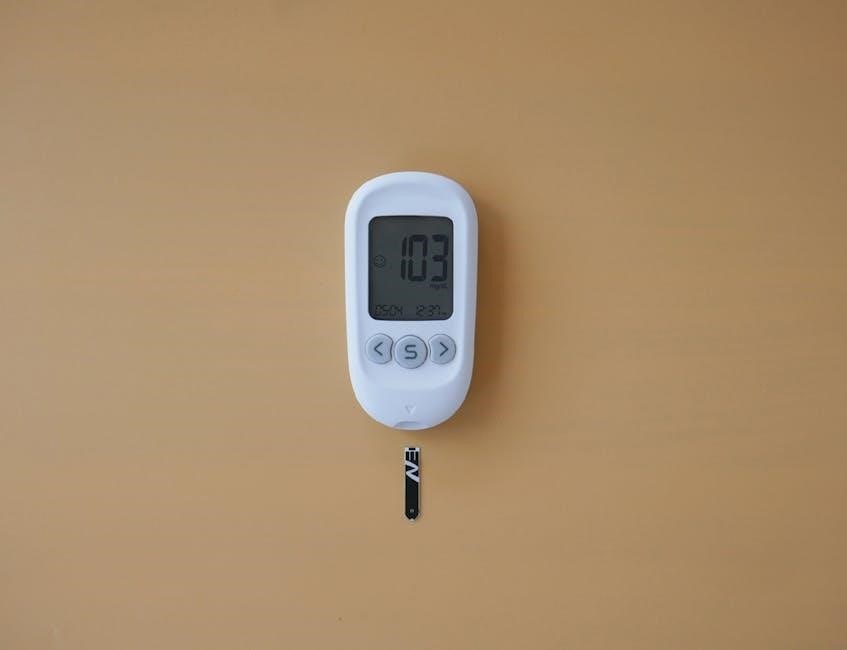
Battery Replacement
The Omron 10 Series requires four AA batteries for operation․ When the low battery indicator appears‚ replace all batteries simultaneously with new ones․ Ensure correct polarity (+ and -) during installation‚ as indicated inside the battery compartment․
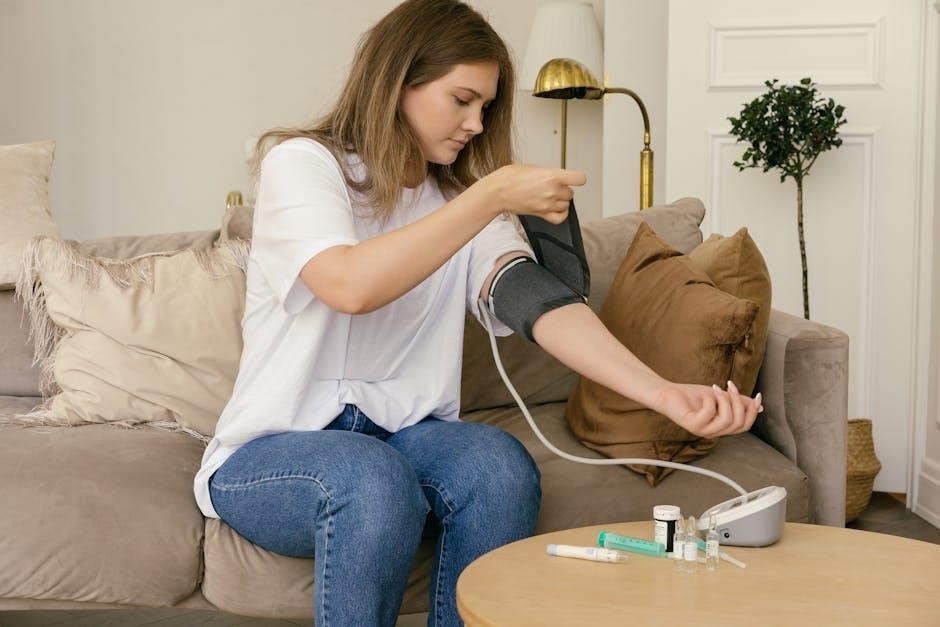
Do not mix old and new batteries‚ or different battery types․ Dispose of used batteries responsibly‚ following local regulations․ Prompt battery replacement guarantees continuous and accurate blood pressure monitoring․ Using quality alkaline batteries is recommended for extended performance․
Storage Guidelines
To maintain the longevity and accuracy of your Omron 10 Series‚ store the monitor in a cool‚ dry place‚ away from direct sunlight and extreme temperatures․ Avoid storing it in humid environments‚ such as bathrooms․
Keep the device and cuff clean‚ protecting them from dust and physical damage․ When not in use for extended periods‚ remove the batteries to prevent potential leakage․ Proper storage ensures reliable performance and extends the lifespan of your blood pressure monitor․
Safety Precautions
Always consult your physician before beginning any new blood pressure monitoring routine․ This device is not intended to diagnose or treat any medical condition․ Do not use the monitor on infants or small children․
Avoid using the monitor in the presence of flammable materials or gases․ Be mindful of potential electromagnetic interference‚ which could affect readings․ Never disassemble or attempt to repair the monitor yourself; contact Omron customer support for assistance․ Follow all warnings and contraindications carefully․
Contraindications and Warnings
Do not use this device if you have a history of arrhythmia or other cardiac conditions without consulting your doctor․ Avoid use on limbs with medical devices implanted‚ or areas undergoing IV therapy․ The monitor is not suitable for pregnant women experiencing pre-eclampsia․

Incorrect use can lead to inaccurate readings; always follow the instructions carefully․ Keep the device out of reach of children․ Discontinue use if you experience discomfort or skin irritation․
Electromagnetic Interference
This device may be susceptible to interference from strong electromagnetic fields‚ such as those emitted by mobile phones‚ microwave ovens‚ and medical equipment․ Such interference could lead to inaccurate readings or malfunction․ Maintain a safe distance from these sources during measurement․
Avoid using the monitor near large metal objects or power lines․ If you suspect electromagnetic interference‚ relocate the device and repeat the measurement; Report any persistent issues to Omron customer support for assistance and guidance․
Omron’s Broader Business Scope
Beyond healthcare‚ Omron operates across diverse sectors including automation‚ control equipment‚ social systems‚ and electronic components․ They are a global leader dedicated to solving societal challenges through innovative technology and a commitment to their corporate philosophy․ Omron Automation provides integrated solutions encompassing sensing‚ control‚ safety‚ vision‚ motion‚ and robotics․
Their extensive portfolio demonstrates a dedication to improving lives‚ extending far beyond blood pressure monitoring․ This broad expertise informs the quality and reliability of the Omron 10 Series․
Omron’s Role in Automation and Healthcare
Omron skillfully blends automation expertise with a strong focus on healthcare innovation․ They manufacture automation components‚ equipment‚ and systems‚ while simultaneously producing medical devices like digital thermometers and nebulizers‚ alongside the 10 Series blood pressure monitors․ This dual focus allows for the integration of advanced technologies into health solutions․
Their dedication to precision and reliability‚ honed in the automation sector‚ directly benefits the accuracy and consistency of the Omron 10 Series BP7450․

Global Presence and Social Impact
Omron operates worldwide‚ actively addressing social issues through its corporate philosophy and diverse business portfolio․ Beyond the Omron 10 Series BP7450‚ they contribute to societal well-being via control equipment‚ social systems‚ and data solutions; This global reach ensures accessibility to innovative healthcare technologies‚ empowering individuals to proactively manage their health․

By consistently delivering clinically accurate and doctor-recommended blood pressure monitors‚ Omron positively impacts preventative healthcare on a global scale‚ reducing risks associated with heart disease and stroke․
Frequently Asked Questions (FAQ)
Q: What if I get an error message? Refer to the troubleshooting section of this manual for common errors and solutions․ Q: Is the Omron 10 Series compatible with my phone? It’s compatible with all iOS devices running OS 10 or higher․ Q: Where can I buy replacement cuffs? Check the ‘Where to Purchase’ section or visit the Omron Healthcare website․
Q: How often should I calibrate the monitor? Calibration isn’t typically needed‚ but contact customer support if you suspect inaccuracies․
Common User Questions Addressed
Q: Why is my reading different from my doctor’s? Home readings can vary; follow proper technique and share trends with your doctor․ Q: Can multiple users share one monitor? Yes‚ the Omron Connect app allows for multiple profiles and data tracking․ Q: What does the ‘ComFit’ cuff technology do? It ensures a comfortable and accurate fit‚ minimizing measurement errors․
Q: How do I store my blood pressure data? Data synchronizes via the Omron Connect app to your iOS device for easy tracking and sharing․
Where to Purchase the Omron 10 Series
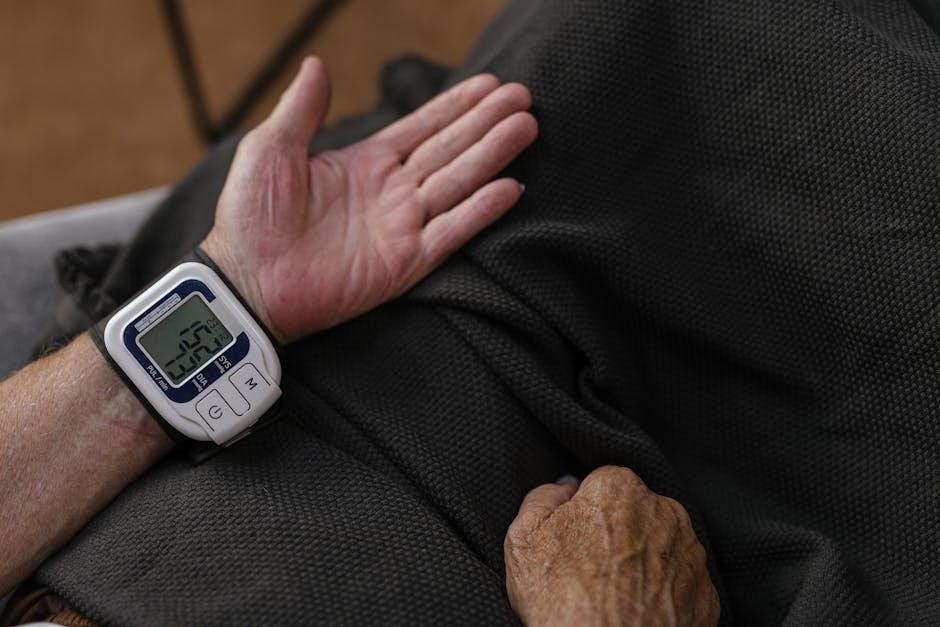
The Omron 10 Series BP7450 is widely available through various retail channels․ You can find it at major pharmacies like CVS and Walgreens‚ as well as large retailers such as Walmart and Target․ Online purchasing options include the official Omron Healthcare website and popular e-commerce platforms like Amazon․
Prices typically start around $3099‚ but may vary depending on the retailer and any ongoing promotions․ Always compare prices and check for warranty information before making a purchase․
Warranty Information
Omron Healthcare provides a warranty for the 10 Series BP7450‚ ensuring quality and customer satisfaction․ The standard warranty period typically covers one year from the date of original purchase against manufacturing defects․ This warranty encompasses the monitor itself‚ but consumables like batteries are generally excluded․
To make a claim‚ retain your proof of purchase and contact Omron’s customer support․ Warranty coverage does not extend to damage caused by misuse‚ accidents‚ or unauthorized repairs․ Review the full warranty details included with your device․