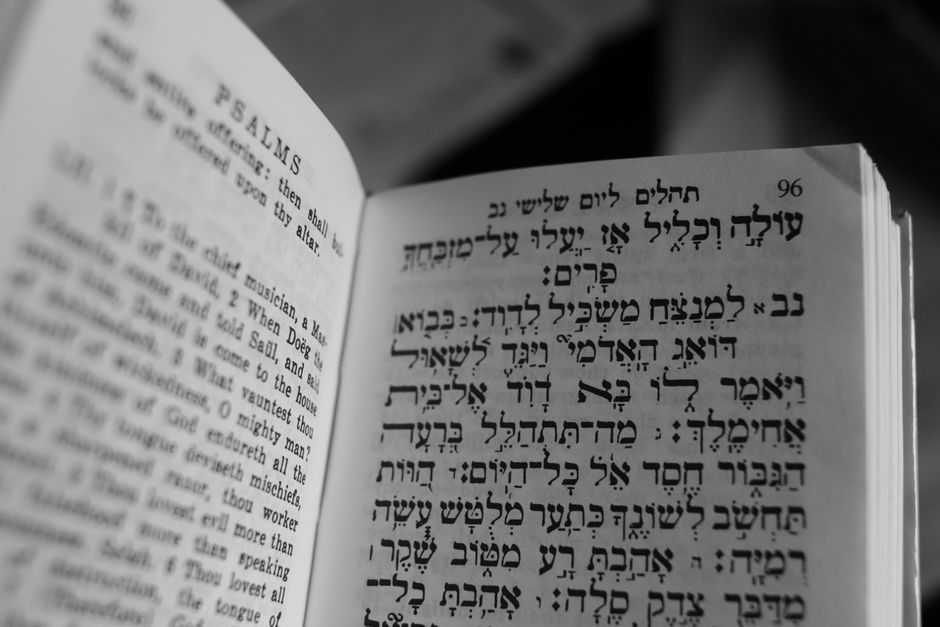
PDF editions of the Psalms offer accessible, portable tools for invoking spiritual power. Users download, read, and recite verses to channel protection, healing, and insight. Digital formats preserve ancient chants while allowing modern seekers to integrate them into daily practice. for all ages, today. now!
Historical Significance of Psalms in Spirituality
From the earliest Hebrew scrolls to medieval illuminated manuscripts, the Book of Psalms has been a cornerstone of faith communities across centuries. Scholars trace its compilation to King David, whose poetic voice shaped the liturgical language of Judaism and early Christianity. In ancient synagogues, psalms were chanted in Hebrew; early Christian churches incorporated them into the Divine Office as hymns of praise and petitions. The Psalter survived the destruction of the Second Temple and the dispersion of the Jewish people, preserving cultural identity. Monastic scribes in the Middle Ages copied the Psalms meticulously, embellishing them with calligraphy and marginalia reflecting theological interpretations. The Psalms guided daily worship in monasteries and cathedrals across Europe. During the Reformation, Martin Luther translated the Psalms into vernacular languages, making them accessible to laypeople and reinforcing personal devotion through scripture. In the modern era, the Psalms influence music, art, and literature, inspiring composers like Bach and poets such as Rilke. Their enduring presence in religious rituals shows how a collection of hymns bridges ancient traditions with contemporary spiritual practice, offering comfort, guidance, and communal identity. The Psalms also appear in cultural rites, illustrating adaptability. Their poetic structure, with parallelism and vivid imagery, has shaped how people express longing, gratitude, and hope. Throughout history, psalmists have used these verses to articulate communal grief, celebrate victories, and seek divine guidance during crises. The Psalms’ rhythmic patterns facilitated memorization, enabling oral transmission before widespread literacy. Their adaptability allowed them to be set to music across cultures, from Gregorian chants to contemporary worship songs, ensuring their relevance and resonance for successive generations forever.
Modern Applications for Healing and Protection
The modern use of Psalms in PDF format has broadened beyond traditional worship, offering individuals practical tools for emotional resilience and spiritual safeguarding. By downloading digital compilations, users can quickly access verses that serve as affirmations during meditation, stress relief, or crisis moments. Many practitioners integrate Psalm recitations into therapy, using specific passages to anchor hope and deliverance. Psalm 23 is cited for divine guidance, while Psalm 91 is invoked to protect against fear for life. In self‑care, people print or bookmark verses, placing them in journals or on phone backgrounds to reinforce daily mindfulness. PDFs enable personalized study: annotate verses, cross‑reference research, and weave them into wellness plans. Online communities share audio recordings of Psalms, allowing listeners to experience rhythmic cadence that soothes the nervous system. Some clinicians incorporate Psalm‑based affirmations into cognitive‑behavioral frameworks, noting rhythmic repetition can rewire negative thoughts. In protective rituals, practitioners use PDFs to create kits, combining verses with symbols like crystals or incense, fostering safety and empowerment. The digital format supports multilingual translations, enabling non‑English speakers to engage in their native language, broadening healing and protection across cultures; Overall, the power of Psalms in PDF format embodies a versatile resource that merges ancient wisdom with modern technology, enhancing growth, stability, and security for diverse audiences worldwide in daily practice today.
Key Psalm PDF Resources Available
Key PDF resources include Anna Riva’s “Powers of the Psalms” collection, freely downloadable from the Internet Archive. The archive offers searchable, high‑resolution scans, enabling users to annotate, bookmark, and share verses for study and practice. can also integrate audio versions immersive experience
Anna Riva’s “Powers of the Psalms” Collection
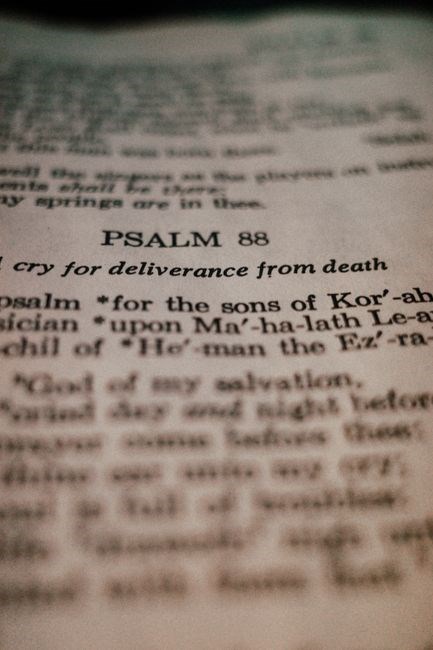
Anna Riva’s “Powers of the Psalms” is a seminal occult classic that compiles the entire Book of Psalms with annotations on their mystical applications. The PDF, available through the Internet Archive, is a free download that preserves the original layout and typography of the 19th‑century edition. Scholars and practitioners alike use it to study the symbolic correspondences between individual psalms and elemental forces, such as fire, water, and air. The text is organized by psalm number, with each verse followed by a brief commentary that explains its potential use in rituals, meditation, or protective sigils. Users can annotate directly on the PDF, highlighting passages that resonate with their personal intentions. The collection also includes a glossary of key terms—e.g., “kashrut,” “midrash,” and “halachic”—to aid readers unfamiliar with Hebrew liturgical language. Because the PDF is a scanned copy, the images are high‑resolution, allowing for zooming into fine details of the original calligraphy. The file size is modest, making it easy to download on mobile devices or share via email. Riva’s work has been cited in contemporary occult literature, and many online forums discuss how to incorporate specific psalms into modern spellcraft. The PDF’s open‑access nature encourages collaborative study groups, where members can upload their own annotations and discuss interpretations. Additionally, the PDF includes a preface that outlines Riva’s methodology for extracting esoteric meanings, emphasizing the importance of intention and ethical practice. Users are encouraged to keep a journal of their experiences, noting any shifts in mood or circumstance that correlate with the recitation of particular psalms. Its accessibility allows worldwide seekers to engage freely today!
Internet Archive Accessibility
Users seeking the power of psalms PDFs often turn to the Internet Archive, a non‑profit digital library that preserves and provides free access to millions of texts. The Archive hosts a complete, high‑resolution scan of Anna Riva’s “Powers of the Psalms,” making it possible to view the original 19th‑century typography and marginalia without leaving the browser. Because the file is stored in PDF format, it can be downloaded, opened, and annotated on any device—desktop, tablet, or smartphone—without requiring proprietary software. The Archive’s interface allows readers to zoom in to 400 % for fine detail, search for specific verses or keywords, and even extract individual pages for offline use. Moreover, the platform’s open‑access policy means that anyone, regardless of location or institutional affiliation, can retrieve the text instantly, fostering a global community of scholars, occultists, and casual readers. The Archive also provides a “Read Online” feature that streams the PDF directly in the browser, eliminating the need to download large files for those with limited bandwidth. Users can add bookmarks, highlight passages, and attach notes in a separate text file, which can then be shared on discussion boards or incorporated into personal spellbooks. The Archive’s metadata includes publication dates, author information, and related works, offering context for researchers who wish to trace the evolution of psalmic interpretation. Finally, the platform’s commitment to digital preservation ensures that the PDF remains accessible for future generations, safeguarding the spiritual and historical value of the text. By leveraging the Internet Archive, practitioners can engage with the power of psalms PDFs in a flexible, user‑friendly environment that supports both solitary study and collaborative exploration. This available PDF invites users to explore the Psalms’ transformative power, fostering growth and communal ages. for ages.!!
Magical Uses of Specific Psalms
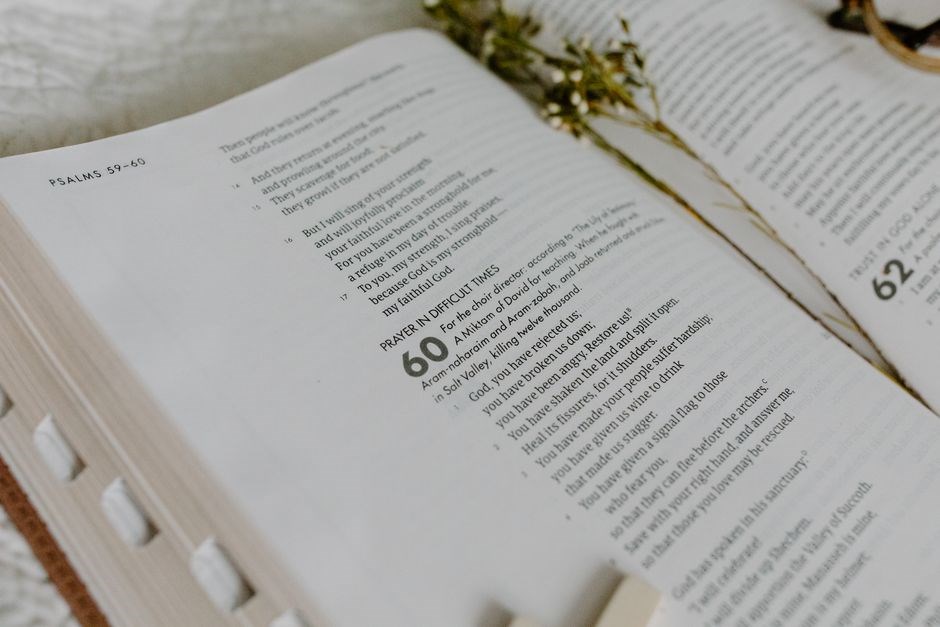
PDFs reveal that Psalm 119 fuels study focus, Psalm 124 shields travelers, and Psalm 26 offers legal protection. Practitioners recite these verses in rituals, write them on parchment, or embed them in charms to harness divine guidance and safeguard daily life. today. now!
Psalm 119 for Academic Success
In PDF collections, Psalm 119 is prized for its 176 verses that echo “Teach me, O Lord, the way I should live.” Scholars note that the text’s repetitive structure reinforces memory, making it a natural mnemonic aid for students. When printed in a digital format, the Psalm can be highlighted, annotated, or bookmarked, allowing learners to revisit key passages quickly. Many modern study guides pair each verse with a brief commentary on focus, perseverance, and discipline, turning the ancient prayer into a practical study routine. A common ritual is to open the PDF before exams, read the first line aloud, and then mentally repeat the verse while reviewing notes. This practice is said to align the mind with a rhythm of divine guidance, enhancing concentration and reducing test anxiety. Some educators incorporate the Psalm into group sessions, encouraging students to write their own reflections beside the verses, thereby deepening engagement. The PDF’s search function also lets users locate specific themes—such as “knowledge” or “understanding”—to target study sessions. In addition, the ability to export annotated pages to a cloud drive ensures that the spiritual and academic benefits travel with the student, whether at home, in a library, or on a bus. By integrating Psalm 119 into daily study habits, users report increased retention, clearer insight, and a sense of calm that supports both learning and personal growth. The PDF format, with its portability and accessibility, makes this aged wisdom a practical tool for modern scholars seeking divine support in their academic journeys.
Psalm 124 for Travel Protection

When travelers open a PDF of Psalm 124, they encounter the verse “We were saved from the hand of the enemy and from the hand of those who hate us.” The text is often paired with a modern commentary that interprets the “enemy” as obstacles—traffic, illness, or misfortune—encouraging a mindset of vigilance and faith. In practice, many users print the Psalm as a bookmark, placing it beside the passport or in a travel journal. The PDF’s search function allows quick retrieval of the line “The Lord is our refuge,” which travelers repeat before departure to invoke divine safeguarding. Some itineraries incorporate a short meditation: read the Psalm aloud, then visualize a protective shield surrounding the vehicle or aircraft. Digital annotations can link to travel safety tips, creating a hybrid guide that blends scripture with practical advice. The PDF format also supports audio playback, letting users listen to a recorded reading while on the road, reinforcing the protective mantra. Studies of travelers who use Psalm 124 report lower anxiety levels and a heightened sense of security, especially during long flights or remote journeys. The Psalm’s rhythmic cadence aids memory, ensuring the protective words are recalled even in stressful moments. By integrating Psalm 124 into a travel routine, users claim a harmonious balance between spiritual reassurance and worldly preparedness, turning each trip into a safeguarded expedition guided by ancient wisdom.
Pilgrims find reciting Psalm 124 aloud steadies the heart,grant confidence roads skies turning journeys into sanctuaries.
Structure of Psalm PDF Editions
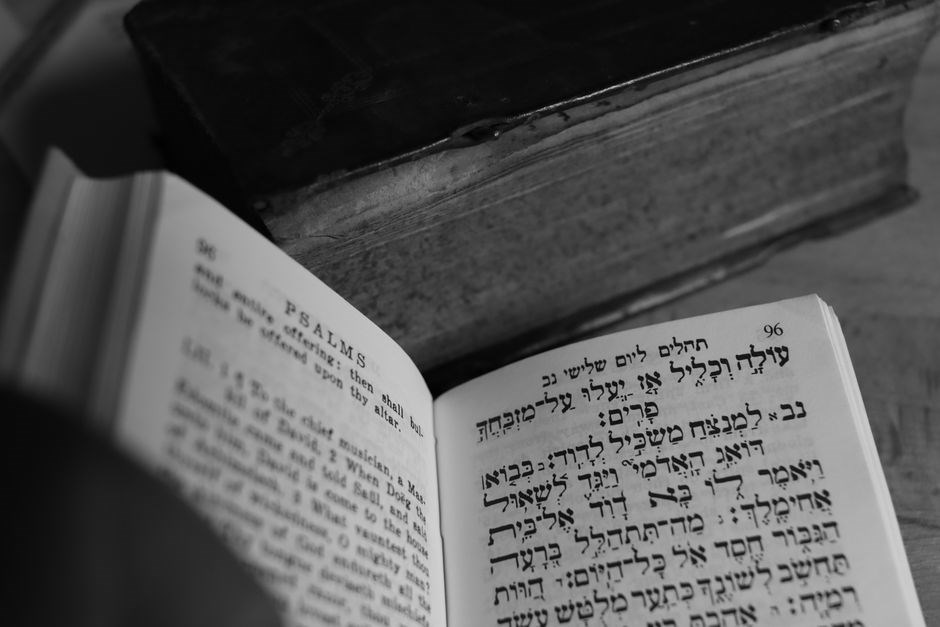
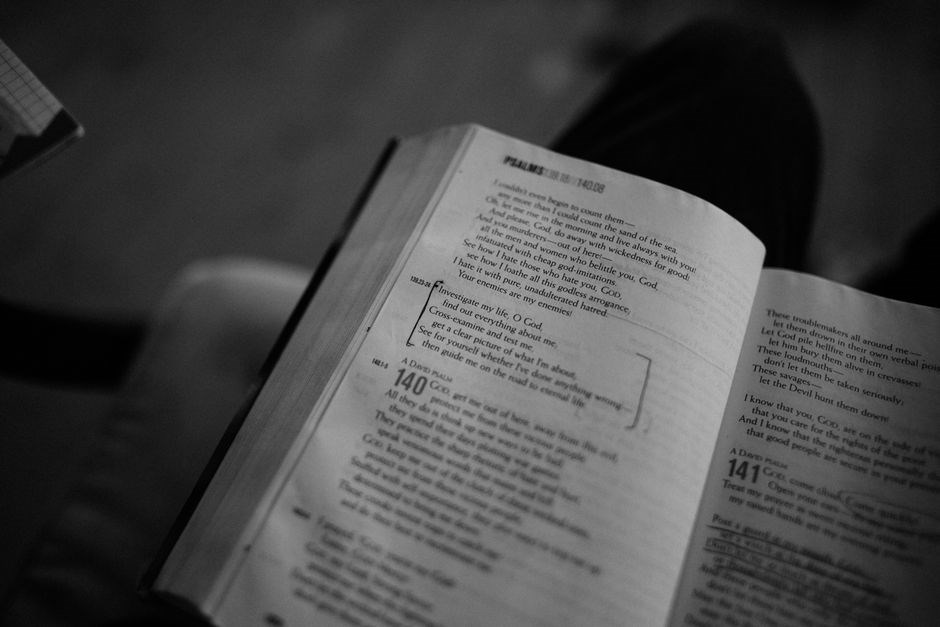
PDF editions feature a dual layout: left side presents Hebrew text, right side offers English translation. Beneath each verse, footnotes explain historical context, while a sidebar lists key themes. Links allow readers to jump to cross‑references, enhancing studydaily.
Annotated Verses and Commentary
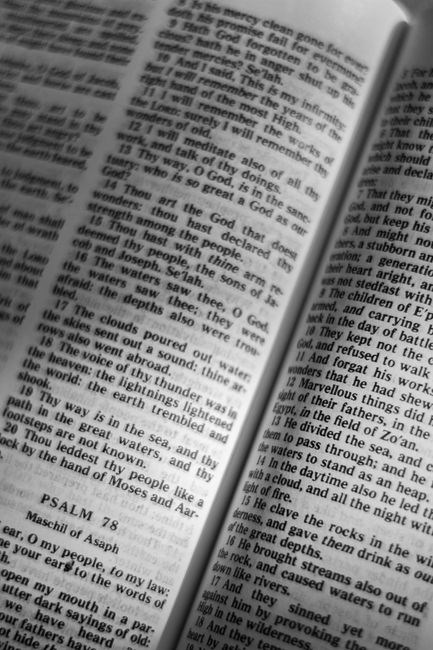
PDF editions of the Psalms frequently incorporate layered commentary that enriches each verse with scholarly insight, theological nuance, and practical application. The structure typically follows a tripartite format: the original Hebrew or Greek text, a contemporary translation, and a dedicated commentary column. This column may contain cross‑referenced verses, historical footnotes, linguistic analysis, and suggested meditative practices. In many modern collections, the commentary is hyperlinked, allowing readers to navigate to related passages, commentaries from classical scholars, or contemporary exegesis. The annotations often highlight the “power” aspect by pointing out verses traditionally used for protection, healing, or empowerment. For example, Psalm 23’s declaration of divine guidance is paired with notes on its use in protective rituals, while Psalm 91’s assurances of safety are linked to modern travel safety prayers. The commentary also addresses the rhythmic and melodic qualities of the text, noting how certain verses lend themselves to chanting or singing, thereby amplifying their spiritual effect. Users can toggle visibility of the commentary, enabling a focused reading of the text or an in‑depth study. Many PDFs embed audio files or links to recordings, allowing the reader to hear the verses in their original cadence. This multimodal approach supports both solitary study and group worship, ensuring that the power of the Psalms is accessible in diverse contexts.

Legal and Ethical Considerations
PDF Psalms must respect copyright laws. Use public domain editions or obtain licenses. Ethical use includes attribution, no commercial resale, and mindful sharing. Respect cultural sensitivity and avoid misrepresenting sacred text. and community care!! for all readers!
Copyright Status
Copyright status for Psalms PDFs varies by edition and jurisdiction. Public domain Hebrew texts are free, but modern translations often carry copyright. Many publishers offer PDFs under Creative Commons licenses, allowing free use with attribution. Others require purchase or subscription. When sharing, always check the license on the source site and respect the stated terms now
Many publishers offer PDFs under Creative Commons licenses, allowing free use with attribution!!
Other PDFs require purchase or subscription, especially those with commentary for public
Internet Archive hosts many domain PDFs, but some are marked with copyright by!!
When sharing, always check the license on the source site and respect the stated terms now!!
Digital preservation of Psalms PDFs ensures long‑term access and protects copies.
Researchers often cite the PDF version to support textual analysis and comparative studies.
Often cite the PDF version to support textual analysis and comparative studies.
Digital Psalms PDFs democratize access, enabling to engage with sacred texts. !
Future projects may include interactive annotations and audio recitations.!!!!!
These enhancements deepen engagement, support and preserve Psalms’ resonance. !!
Cite properly, share responsibly to honor tradition.!!!!!!!!!!

Responsible Usage Guidelines
When engaging with Psalms PDFs users should observe respectful practices that honor the text’s sacred nature and the intellectual property of its translators. First verify the license: many PDFs are released under Creative Commons or public‑domain status but others carry exclusive rights that restrict redistribution or commercial use. Second attribute properly; include the title author publisher and license notice in any shared copy or derivative work. Third avoid altering the original PDF’s content without permission as this may violate copyright or compromise the text’s integrity. Fourth use the PDFs for personal study meditation or teaching within a non‑commercial context unless explicit permission is granted. Fifth when incorporating verses into rituals or publications ensure that the usage aligns with the stated license and does not misrepresent the text’s intent. Finally support the preservation of these digital resources by donating to libraries archives or publishers that host them thereby sustaining future access for all. Additionally refrain from using the PDFs to create or distribute content that could be deemed defamatory harassing or hateful as such misuse undermines the spiritual purpose of the Psalms. When sharing excerpts online limit the length to what is necessary for the context and provide a link to the full PDF whenever possible. Respect the privacy of individuals who may be referenced or associated with particular verses and avoid using the text to target or manipulate specific groups. For educators cite the PDF according to the style guide of your institution and obtain permission for large‑scale classroom distribution. Keep a record of PDF version and changes now