Overview of Pressure Washer Manuals
Pressure washer manuals guide users through setup, safety, and maintenance. The Husky 1750 US manual, available on Manualzilla, details operating steps and troubleshooting. Karcher K4 owners find connectivity tips in the community manual, ensuring optimal performance. Follow safety tips and care!!.
Purpose and Scope of a Pressure Washer Manual
Pressure washer manuals are comprehensive guides that define the intended use, operational limits, and maintenance expectations for cleaning equipment. Their primary purpose is to equip users with knowledge to safely assemble the unit, connect accessories, and operate within manufacturer‑specified parameters. By outlining capabilities—maximum PSI, flow rate, recommended nozzle types—manuals prevent misuse that could damage the washer or compromise safety; They also detail legal and warranty implications, ensuring owners understand coverage conditions. The manuals provide troubleshooting frameworks to diagnose common issues like leaks or motor overheating without costly service. Routine maintenance instructions, such as oil changes, filter replacement, and spray gun cleaning, are essential for prolonging equipment life. Safety warnings cover hazards like high‑pressure jets, electrical risks, and chemical handling, fostering responsible use. Together, these elements make the manual indispensable for hobbyists and commercial operators alike. Users can refer to the troubleshooting section for quick fixes, reducing downtime.
Manufacturers like Husky and Karcher provide digital downloads with detailed schematics and step‑by‑step assembly instructions. The Husky 1750 US manual lists torque settings for bolts and the sequence for attaching the high‑pressure hose to the nozzle. Karcher’s manual for the K4 model offers connectivity tips for linking the washer to a mobile app. These resources cover mechanical and electronic aspects of modern pressure washers. Firmware updates and service bulletins keep the equipment compliant with evolving safety standards. By providing a clear roadmap, the manual empowers users to achieve optimal cleaning performance while safeguarding against injury or equipment failure. The manuals also include safety checklists that users must complete before first use.
Manuals also cover environmental considerations, such as proper detergent disposal and minimizing water runoff. They explain how to adjust pressure for different surfaces—wood, concrete, automotive paint—to avoid damage. Diagrams aid in visualizing spray angle and water velocity. The legal section outlines copyright, warranty, and liability clauses, ensuring users understand rights and responsibilities. This holistic approach makes the manual a one‑stop reference for safe, efficient, and responsible pressure‑washing practices. Regular review of these guidelines helps maintain compliance with local regulations.

Types of Pressure Washer Manuals
Pressure washer manuals are either manufacturer‑issued or third‑party compilations. Guides like the Husky 1750 US manual and Karcher K4 user guide provide torque specs, safety warnings, and firmware updates. Third‑party manuals offer troubleshoot fast! a and diagrams, but lack warranty details.
Manufacturer vs. Third-Party Guides
Manufacturer manuals are official documents that come with the product or are downloadable from the brand’s website. They contain precise specifications, torque settings, and warranty clauses. For example, the Husky 1750 US manual lists the 1.5‑bar pressure rating and the recommended oil change interval. The Karcher K4 guide includes firmware update steps and a detailed safety checklist. Because they are sanctioned by the manufacturer, these guides are the authoritative source for troubleshooting and service procedures.
Third‑party guides are compiled by independent enthusiasts or repair shops. They aggregate information from forums, scanned PDFs, and user videos. These manuals can be handy for quick fixes or for models that no longer receive official support. However, they often lack formal warranty language and may contain errors or outdated data. For instance, a community‑edited Karcher K4 guide might omit the latest safety update. Users should cross‑check any third‑party instructions against the manufacturer’s documentation before proceeding.
In practice, most owners start with the manufacturer’s PDF, then consult third‑party resources for deeper troubleshooting. The official manual remains the primary reference for legal and safety compliance, while third‑party guides serve as supplementary tools for experienced users. Always verify critical steps—such as pressure settings and electrical connections—against the manufacturer’s documentation to avoid voiding warranties or creating hazards. Remember, using an unverified guide can lead to incorrect pressure settings, which may damage the unit or pose safety risks.

Locations to Obtain Manuals
Official sites host PDFs; download the Husky 1750 US manual from Manualzilla or the Karcher K4 guide via the brand’s support portal. Community forums and digital libraries also offer scanned copies, but verify authenticity before use.
Check the brand’s support portal for firmware updates now
Official Manufacturer Websites and Digital Downloads

Key Sections Common to All Manuals
All pressure washer manuals feature safety warnings, warranty terms, and operating instructions. They outline proper setup, cleaning, and troubleshooting steps, ensuring users follow manufacturer guidelines for optimal performance and longevity.See manual
Safety, Warranty, and Operating Instructions
Pressure washer manuals provide essential guidance for safe operation, warranty claims, and day‑to‑day use. The Husky 1750 US manual, available on Manualzilla, opens with a safety section that cautions against contact with the high‑pressure nozzle, electrical shock, and the importance of grounding. It stresses wearing protective eyewear, gloves, and closed‑toe shoes. The Karcher K4 community manual adds connectivity tips, noting that firmware updates must be performed only when the unit is powered off to avoid data loss. The Husky manual offers a one‑year limited warranty on manufacturing defects, while the Karcher manual provides a two‑year motor warranty and a five‑year pump warranty. Both manuals require product registration within 30 days of purchase and list conditions that void the warranty, such as unauthorized repairs or use outside the specified temperature range. Operating instructions are step‑by‑step. For the Husky, the manual covers connecting the water supply, checking the pressure gauge, selecting the nozzle, and performing a pre‑run test to detect leaks. It explains how to adjust pressure, switch spray patterns, and shut down safely. The Karcher manual follows similar steps but includes a detergent tank section, detailing recommended detergent types, mixing ratios, and how to prevent nozzle clogging. Both manuals provide a troubleshooting table that lists common symptoms—reduced pressure, unusual noises, erratic shut‑off—and diagnostic steps to isolate the issue. Safety, warranty, and operating instructions ensure users protect themselves, preserve equipment longevity, and troubleshoot problems efficiently. By following these guidelines, owners can maximize performance while minimizing risk. Regular inspections of hoses and seals further extend the unit’s lifespan.
Safety Guidelines Covered in Manuals
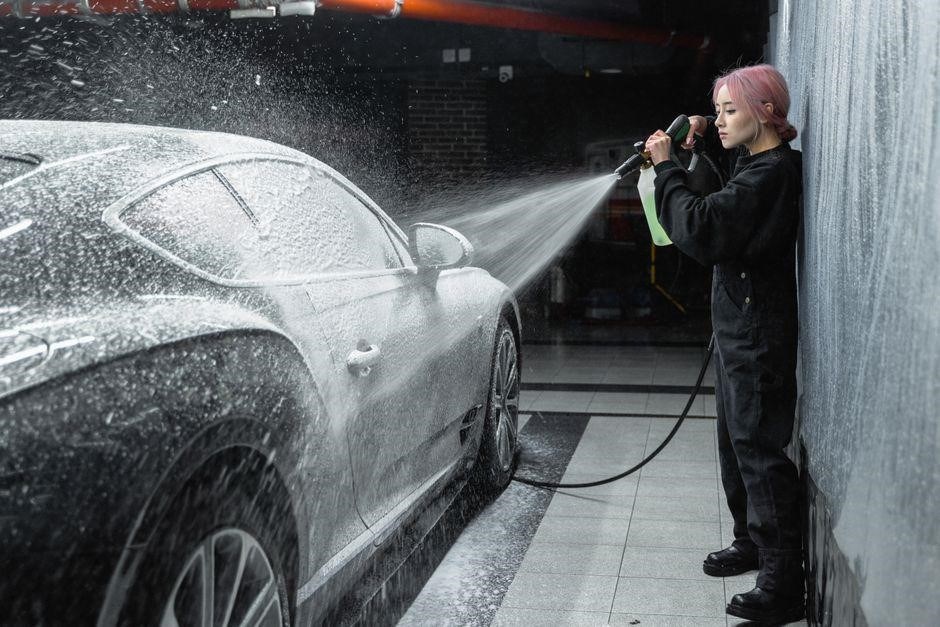
Safety guidelines in pressure washer manuals emphasize protective gear, grounding, water source checks, nozzle protection, and safe operating procedures. Manuals warn against high‑pressure contact, electrical hazards, and recommend routine inspections to prevent accidents. Read manual first Stay safe.
Hazard Warnings and Protective Equipment
Pressure washer manuals consistently highlight the critical need for personal protective equipment (PPE) and strict adherence to hazard warnings. The Husky 1750 US manual, downloadable from Manualzilla, lists mandatory eye protection, gloves, and closed‑toe footwear, noting that the high‑pressure jet can cause severe injury if it contacts skin or eyes. It also cautions against operating the unit near outlets or wiring, and stresses the importance of grounding the machine to prevent discharge. The Karcher K4 user guide, shared by the community, emphasizes the use of face shields when cleaning surfaces with abrasive attachments, as the debris can be propelled at dangerous speeds. Both manuals advise users to keep children and pets at a safe distance, and to secure the area with warning signs. They also instruct on proper hose handling, warning that a kinked or damaged hose can rupture under pressure, releasing a sudden burst of water that may cause burns or drowning. Additionally, manuals recommend wearing hearing protection when operating in noisy environments, as prolonged exposure to the high‑volume engine can lead to hearing loss. The safety sections detail emergency shut‑off procedures, instructing users to disconnect the power source and release pressure before performing maintenance. By following these guidelines, operators can mitigate risks associated with high‑pressure water jets, electrical hazards, and mechanical failures, ensuring a safe and effective cleaning experience.

Maintenance and Service Instructions
Clean the spray gun, inspect hoses for cracks, and replace worn seals. Check motor oil monthly and change oil every 200 hours. Replace filters annually to keep flow optimal. Follow the manual’s step‑by‑step guide for each task Check hoses for leaks.Now.
Routine Cleaning, Oil Changes, and Part Replacements
Regular maintenance keeps a pressure washer running efficiently and extends its lifespan. Begin by disconnecting the unit from power and water sources. Flush the inlet and outlet filters with clean water to remove debris that can clog the pump. Inspect the spray gun for buildup; clean the nozzle with a small brush and replace it if the spray pattern is uneven. Check hoses for cracks or hardening; replace any damaged sections immediately to prevent leaks or sudden ruptures. The motor oil should be changed after every 200 operating hours or at least once a season, whichever comes first. Use the manufacturer‑specified oil grade—often 10W‑30 for most electric models—to ensure proper lubrication. After draining the old oil, refill to the marked level and check for leaks around the oil cap. Parts such as the pressure relief valve, inlet valve, and hose clamps should be inspected quarterly; replace any that show signs of wear or corrosion. For models with a detachable pump, clean the pump housing with a mild detergent, rinse thoroughly, and reassemble with fresh seals. Finally, store the unit in a dry, covered area to protect it from dust and moisture. Following these steps will help maintain optimal pressure output and reduce the risk of costly repairs.
For seasonal storage, cover the unit with a breathable tarp to allow moisture to escape while preventing dust accumulation. Keep the unit on a level surface to avoid pump tilt, which can cause uneven pressure. Periodically run a short wash cycle to keep internal components lubricated and to detect any early signs of wear. Document each maintenance session in a log for future reference today! soon

Troubleshooting Sections
Common problems: low pressure, leaks, overheating. Check inlet filter, hose, and relief valve. If pressure falls, clean pump and replace seals. For heat, ensure cooling and fan function. Refer to Husky 1750 manual for detailed steps. Check gauge and water supply.!!
Common Problems and Diagnostic Steps
When a pressure washer fails to perform, the manual offers a systematic approach. First, verify the water supply: ensure the inlet valve is fully open, the hose is connected, and the filter is clean. If the unit starts but pressure is low, inspect the pump seal for wear, replace if necessary, and check the pressure gauge for accuracy. A sudden drop in pressure often indicates a clogged spray tip; remove and rinse with compressed air. If the machine does not start, examine the ignition switch, battery (for electric models), and the spark plug for fouling. For electric models, confirm the outlet voltage matches the specified range; a voltage drop can cause intermittent operation. Overheating is usually caused by a blocked cooling fan or a dirty air filter; clean or replace the filter and ensure the fan blades are free of debris. Excessive noise may signal a loose pulley or a worn drive belt; tighten or replace the belt as indicated. Leaks at the hose fittings or the pressure tank can be identified by a steady drip; tighten fittings or replace O‑rings. If the pressure gauge reads zero while the motor runs, the pressure relief valve may be stuck; gently tap the valve or replace it. For persistent issues, consult the diagnostic flowchart in the manual, which correlates symptoms with specific fault codes and recommended actions. Always refer to the model‑specific troubleshooting table for precise solutions and follow the safety precautions listed before performing any inspection or repair. This structured method reduces downtime and extends the lifespan of the equipment. If the pressure washer displays a warning LED or error code, cross‑reference the code with the manual’s error code list. Codes such as P01 may indicate a pressure sensor fault, while P02 could point to a motor overload. Resetting the unit by turning it off for 30 seconds and restarting can clear transient errors. For models with a digital display, use the menu to run a self‑diagnostic routine; the display will highlight any component that fails a self‑check. In cases where the spray pattern is uneven, inspect the nozzle for internal wear; replace the nozzle if the spray angle deviates from the manufacturer’s specification. When the unit runs but the water temperature rises above the recommended limit, check the coolant reservoir and refill if necessary. Finally, if the unit’s performance improves after cleaning but reverts after a few hours, consider checking the water hardness; high mineral content can lead to scale buildup in the pump, requiring descaling with a commercial descaler as per the manual’s instructions. Remember to keep a log of all maintenance actions and any recurring issues; this log assists technicians in diagnosing long‑term problems and ensures compliance with warranty conditions. By following these diagnostic steps methodically, users can quickly isolate the root cause and apply the correct repair, minimizing downtime and preserving the machine’s reliability over time. Consistent adherence to the troubleshooting protocol not only safeguards the equipment but also enhances user confidence in handling future malfunctions independently.

Legal and Warranty Information
Warranty terms for Husky 1750 and Karcher K4 are outlined in the user manuals. The Husky manual states a 2‑year limited warranty covering parts and labor, while the Karcher guide lists a 1‑year warranty for the motor. Both documents emphasize proper maintenance, controllers. Includethe warranty now.!